

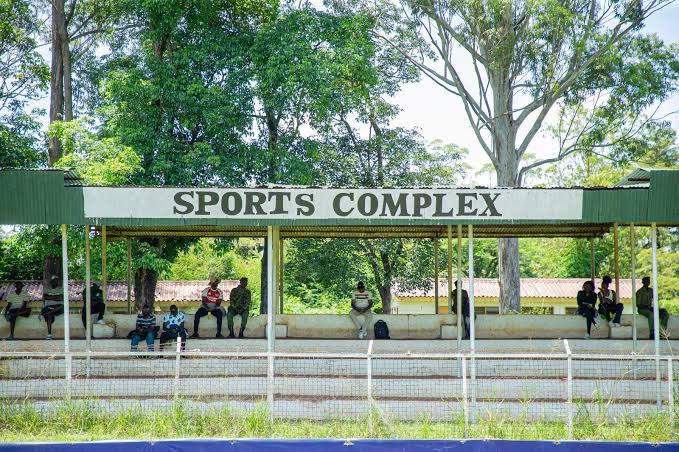
Kenyan football keeps demanding respect on the continental stage, yet scenes witnessed at Mumias Sports Complex during Gor Mahia’s clash against Kakamega Homeboyz painted a deeply embarrassing picture of the state of local infrastructure.
Before kick-off, Gor Mahia players were reportedly forced to sit under trees and change kits on the pitch because the dressing room allocated to them was allegedly too small, filthy and unfit for professional use. For many fans inside the stadium, the sight was confusing. But the explanation that later emerged was even more disturbing.
At the heart of every professional football match are basic standards that must never be compromised. A safe playing surface, clean dressing rooms, running water and adequate matchday facilities are not luxuries. They are minimum requirements.
When clubs in the Kenyan Premier League are subjected to such conditions, it raises serious questions about league licensing, stadium inspection processes and the seriousness with which football authorities treat the welfare of players and technical staff.
Footballers are professionals. Coaches spend days preparing tactical plans only for poor pitches to completely alter how a team intends to play. A bad surface does not just affect entertainment value; it affects player safety, performance quality and the overall image of the competition.
It becomes even more painful when one considers the stature of Gor Mahia, Kenya’s most successful club and one of East Africa’s biggest football brands. If such a club can be forced into those conditions, what happens to smaller teams with less influence and visibility?
Kenyan football cannot continue demanding CAF-standard performances while operating in environments that fall far below acceptable domestic standards. Infrastructure remains one of the biggest barriers holding the game back.
The truth is uncomfortable but necessary: many facilities hosting top-flight matches are simply not ready for elite football.
Fans pay for tickets expecting a professional spectacle. Sponsors invest expecting visibility and credibility. Players sacrifice their bodies every week for the badge. They all deserve better.
This should not turn into a tribal or club rivalry debate. It is a league-wide issue that affects the reputation of Kenyan football as a whole. Today it is Gor Mahia. Tomorrow it could be another club facing the same humiliation.
The Football Kenya Federation and league organizers must urgently strengthen inspection standards and enforce strict compliance before approving venues for Premier League matches. Clubs and county governments must also take responsibility for maintaining facilities that reflect the level of competition being played.
Kenyan football has enormous potential. The passion is unmatched, the fan culture is alive and the talent is undeniable. But passion alone cannot hide collapsing infrastructure forever.
No professional football team should ever prepare for a league match by dressing under trees.
