


Eliud Owalo may have stirred debate with his latest remarks, but his message touches on a reality many football stakeholders across Kenya and Africa already understand: community football clubs remain the heartbeat of African football culture.
The patron of Gor Mahia argued that the revival of Kenyan football depends heavily on the strength of traditional community-backed clubs such as AFC Leopards and Shabana FC. His appeal to corporate sponsors to invest in clubs with passionate fan bases rather than institution-owned sides may sound controversial, but there is strong evidence across East Africa and the continent to support his position.
In the 1980s and early 1990s, Kenyan football thrived largely because rivalry among community clubs created emotion, identity, and massive stadium attendance. Matches involving Gor Mahia, AFC Leopards, Luo Union, Abaluhya United, and later Shabana were more than football games; they were cultural events. Stadiums were packed because supporters felt emotionally attached to the clubs through ethnicity, regional pride, and generational loyalty.
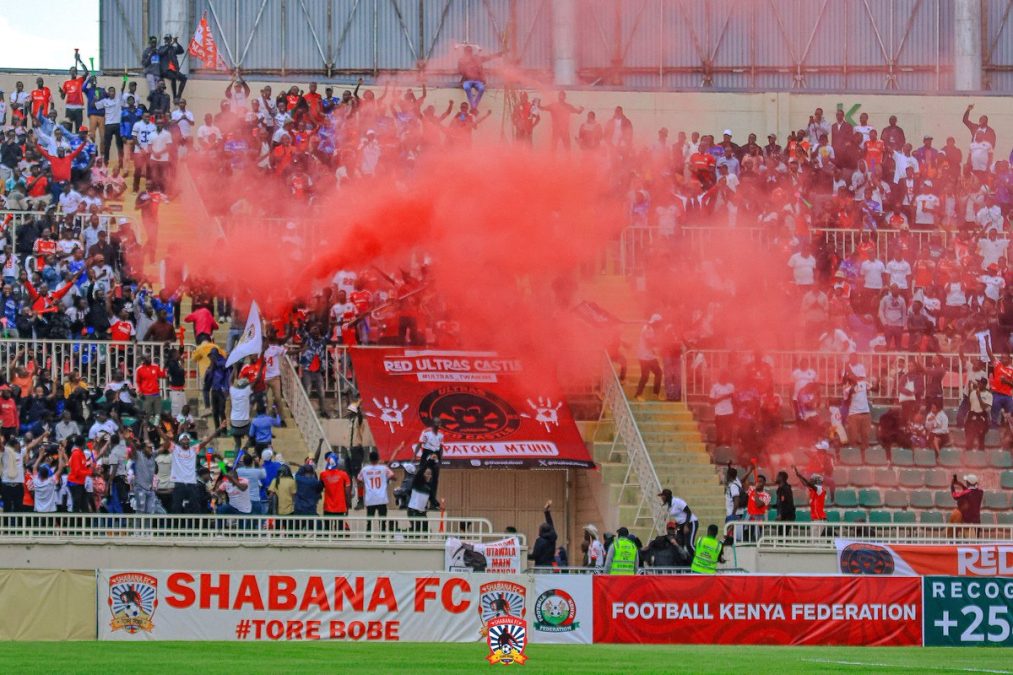
That same formula continues to work elsewhere in Africa today.
In Tanzania, the fierce rivalry between Young Africans S.C. and Simba SC has transformed the country into East Africa’s commercial football powerhouse. Their matches fill the Benjamin Mkapa Stadium, attract major sponsorship deals, and generate huge television audiences across the region. Sponsors invest because the clubs command millions of loyal supporters.
The same trend appears in Uganda where clubs like SC Villa, KCCA FC and Express FC continue to enjoy historic community support despite changing football dynamics.
Across Africa, the continent’s biggest football brands are largely community-rooted institutions. In Egypt, Al Ahly SC and Zamalek SC dominate because they represent generations of emotional loyalty. In Morocco, Raja CA and Wydad AC enjoy similar status, while in South Africa, Kaizer Chiefs and Orlando Pirates remain marketing giants because of their massive fan bases.
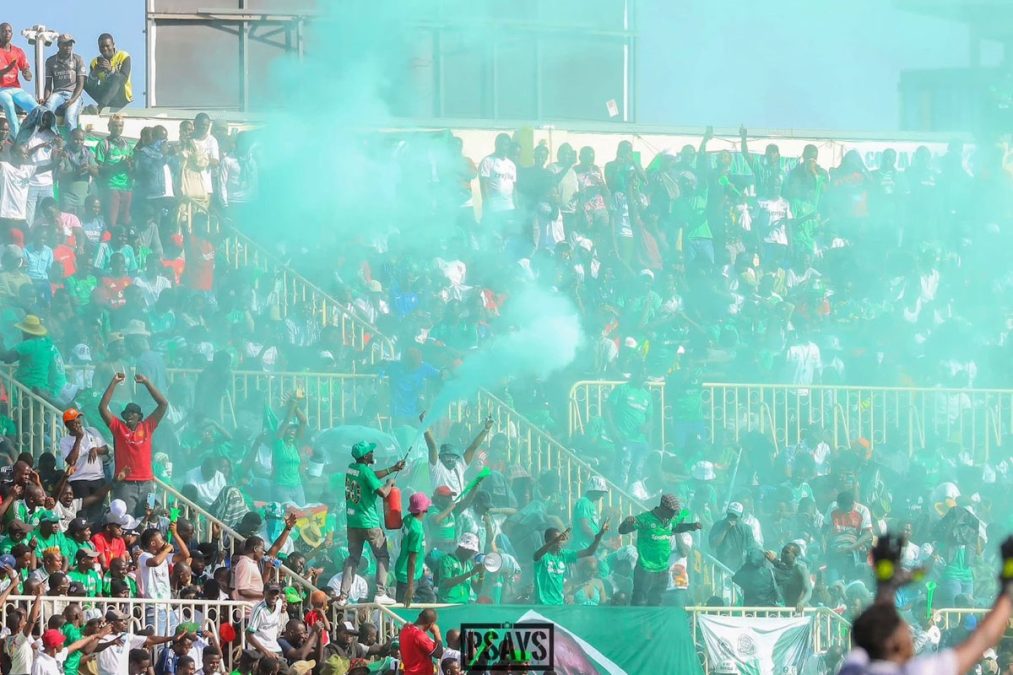
Owalo’s criticism of low fan turnout during continental football involving newer institutional clubs also raises an uncomfortable truth. Football business is built on emotional connection. Sponsors seek visibility, engagement, and passionate audiences. Clubs with deep-rooted identities naturally offer greater commercial value because they already possess a loyal consumer base.
However, the debate should not entirely dismiss institutional clubs. Teams backed by corporations or government institutions often provide financial stability, professional management, and better infrastructure. Clubs such as Kenya Police FC and Tusker FC have shown that institutional support can also produce competitive teams capable of challenging for titles.
The real challenge for Kenyan football is finding balance.
Community clubs bring passion, identity, and huge audiences. Institutional clubs often bring structure, financial muscle, and organization. For Kenyan football to compete with the best leagues in Africa, both models must coexist while improving governance, youth development, and commercial management.

Still, Owalo’s central point cannot be ignored: football without fans loses its soul. And in Kenya, few clubs can mobilize emotion, rivalry, and nationwide attention like Gor Mahia, AFC Leopards, and Shabana.
If corporate Kenya truly wants visibility and nationwide football engagement, history suggests that investing in clubs with deep community roots may indeed offer the biggest return.
