

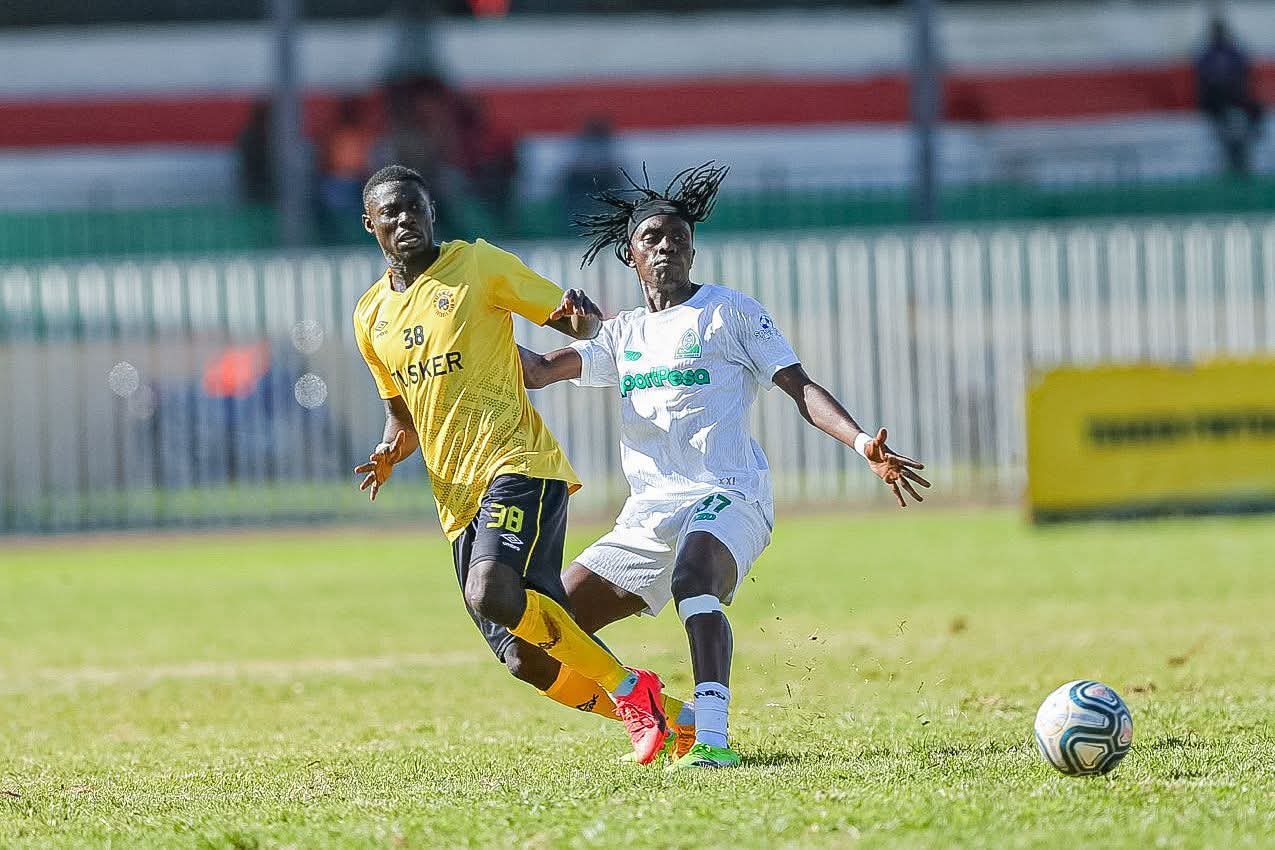
When Kenneth Muguna speaks, especially in moments of adversity, his words carry the weight of experience, leadership, and history at Gor Mahia. His latest remarks following the defeat to Tusker FC at Wang’uru Stadium have ignited a necessary, and uncomfortable conversation.
“Champions perform anywhere… the priority should always be to win first, then raise your concerns after securing the victory.”
At face value, Muguna’s statement reflects a hardened, no-excuses mentality often associated with winning teams. But beneath it lies a deeper tension between professionalism and pragmatism in Kenyan football.
The Mentality Argument: A Champion’s Mindset
Muguna’s stance is rooted in a simple philosophy: adaptability defines champions.
He references Gor Mahia’s past triumphs in venues like Narok, Awendo, and Muhoroni, grounds not exactly known for pristine playing conditions. Historically, K’Ogalo have built their dominance on resilience, often grinding out results in hostile and unpredictable environments.
From this perspective, Muguna is right.
Elite teams, whether in Kenya or globally, are expected to rise above excuses. Weather, pitch, crowd hostility, these are variables, not justifications. By emphasizing results first, Muguna is calling for accountability within the squad rather than shifting blame externally.
It’s a message that subtly challenges his teammates: Did we lose because of the pitch, or because we weren’t good enough?
The Reality Check: Standards Still Matter
However, Muguna’s argument risks normalizing a deeper structural problem.
The criticism of Wang’uru Stadium wasn’t invented overnight. Both technical benches and observers pointed out concerns about the playing surface, issues that directly affect player safety, match quality, and the league’s professional image.
By suggesting teams should “win first, then complain,” there is a danger of sidelining legitimate concerns about infrastructure in the Kenya Premier League.
Modern football demands minimum standards. You cannot separate performance from environment entirely. A poor pitch doesn’t just challenge skill, it alters tactics, increases injury risk, and can unfairly level the playing field.
In that sense, Muguna’s position, while admirable in spirit, may unintentionally weaken the push for better facilities.
Timing Is Everything
Perhaps the biggest issue isn’t what Muguna said, but when he said it.
Coming immediately after a loss, the statement can be interpreted in two conflicting ways:
- Leadership: Shielding the team from excuses and reinforcing a winning mentality
- Deflection: Downplaying genuine grievances raised by coaches and players
For fans still frustrated by the defeat, the message may feel like a dismissal of visible shortcomings that affected the game.
A Divided Dressing Room?
Muguna’s remarks also hint at a possible philosophical divide within Gor Mahia.
While some voices in the camp have openly criticized the venue, Muguna appears to take a more traditional, hardline stance. This contrast raises questions:
- Is the team aligned on its priorities?
- Are players and technical staff sending mixed signals?
In high-pressure title races, such differences in outlook can quietly influence performance.
The Bigger Picture: Balance Between Grit and Growth
The truth likely lies somewhere in between.
Yes, champions must win anywhere. Muguna is right to demand mental toughness and responsibility.
But equally, football cannot grow if players and clubs remain silent on substandard conditions. Progress often comes from uncomfortable conversations—especially after difficult matches.
The challenge for Gor Mahia is to strike that balance:
- Compete ruthlessly on the pitch
- Advocate relentlessly off it
Final Whistle
Muguna’s statement is less about a single loss and more about identity.
Does Gor Mahia define itself purely by results, or also by the standards it demands from the game around it?
In trying to reinforce a winning mentality, Muguna may have sparked a bigger debate, one that Kenyan football cannot afford to ignore.
