



As the FKF Premier League title edges closer to a familiar destination, the mood around Gor Mahia FC supporters is no longer just about domestic dominance. It is about ambition, continental relevance, and whether Kenyan football can finally reclaim respect in Africa.
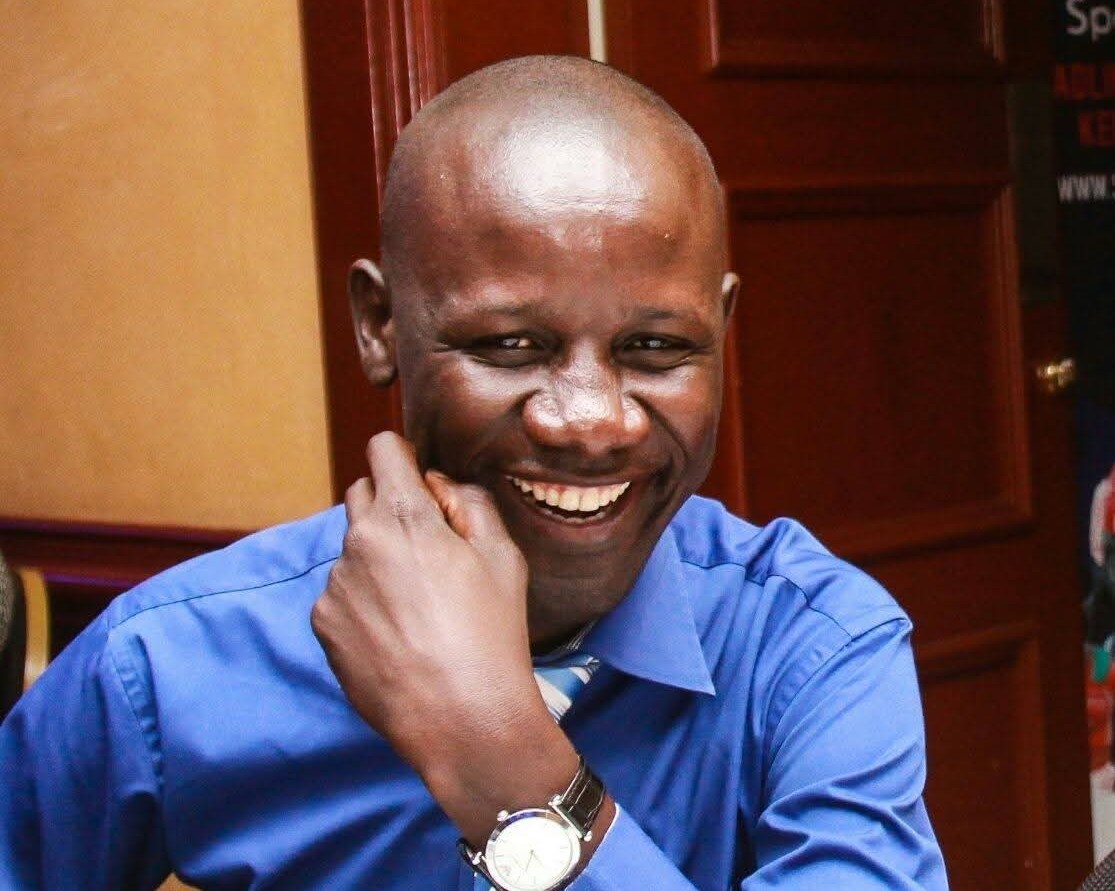
The post-match conversation between popular fan figure Tom Bwana the Marketing practitioner with a background in sports marketing and the Sports Journalist Erick Njiru at Nyayo Stadium revealed something deeper than celebration. It exposed the mentality of a fanbase that feels Gor Mahia has already outgrown local competition.
Tom Bwana’s opening remarks were classic football banter. His sarcastic “congratulations” to AFC Leopards for reaching 60 points “for the first time since 1998” was clearly a dig at their eternal rivals. But beneath the mockery was an uncomfortable truth about Kenyan football, Gor Mahia supporters now measure success differently.
To them, winning the league is expected.
That expectation explains why Tom Bwana quickly shifted focus from the title race to Africa. According to him, the biggest challenge is not lifting trophy number 22. It is whether the club can retain its strongest players, strengthen the squad, and compete seriously on the continent.
That concern is valid.
For years, Kenyan clubs have dominated locally only to collapse in CAF competitions. The difference between domestic football and continental football has remained painfully obvious. In Africa, tactical discipline, squad depth, physical preparation, and financial investment matter more than emotional support and league pedigree.
Tom Bwana’s statement that Gor Mahia should be “beyond these league titles” may sound arrogant to rivals, but it also reflects frustration. Gor Mahia fans are tired of celebrating local triumphs that never translate into continental respect.
The mention of title number 22 carrying emotional significance following the death of the club’s beloved patron Hon. Raila Amollo Odings also adds another layer to this potential triumph. For supporters, this would not simply be another league title; it would symbolize continuity, loyalty, and honoring the club’s legacy.
Yet perhaps the most controversial part of the interview came when discussion shifted to the expected clash against Mara Sugar FC in Awendo.

Tom Bwana openly questioned whether Awendo is suitable to host a title-deciding match involving Gor Mahia, citing safety, security, and stadium capacity concerns. The suggestion that the match be moved either to Nairobi or Raila Odinga Homabay Stadium in Homabay will certainly spark debate across Kenyan football.
On one side, there is logic in ensuring proper infrastructure and crowd management for a potentially explosive title celebration. Gor Mahia attracts massive travelling support, and smaller grounds can quickly become overwhelmed.
On the other hand, smaller clubs also deserve the right to host matches in their home regions. Kenyan football cannot continue centralizing major fixtures in Nairobi while denying local fans the opportunity to witness big occasions in their own counties.
That tension perfectly captures a bigger issue in Kenyan football: infrastructure inequality.
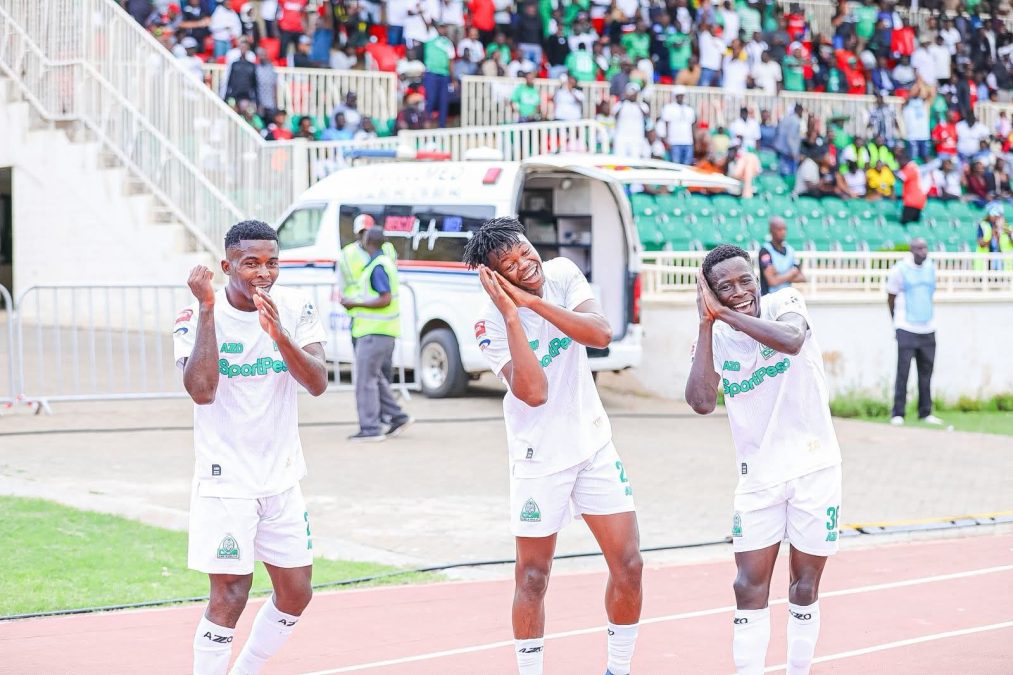
While Gor Mahia dreams about conquering Africa, many FKF Premier League venues still struggle to meet the standards required for high-profile matches. Until that gap is addressed, these debates will continue every season.
Still, one thing is undeniable.
The confidence around Gor Mahia is overwhelming. Four points clear with two matches remaining means the title is almost within touching distance. Supporters already speak as though the championship is secured.
But if Tom Bwana’s comments are anything to go by, the real conversation at Gor Mahia has already moved beyond Kenya.
The league may soon be won.
Africa is the next obsession.
