



The fallout from the controversial 2025 Africa Cup of Nations (AFCON) final between Senegal and Morocco continues to send shockwaves across the continent, with Confederation of African Football (CAF) President Patrice Motsepe now stepping forward to address growing concerns over integrity, governance, and trust in African football.
In a measured but firm statement following the CAF Appeals Board ruling on Morocco’s appeal, Motsepe acknowledged both the seriousness of the incidents that marred the final and the broader implications they carry for the credibility of the game.
A Final That Sparked a Continental Debate
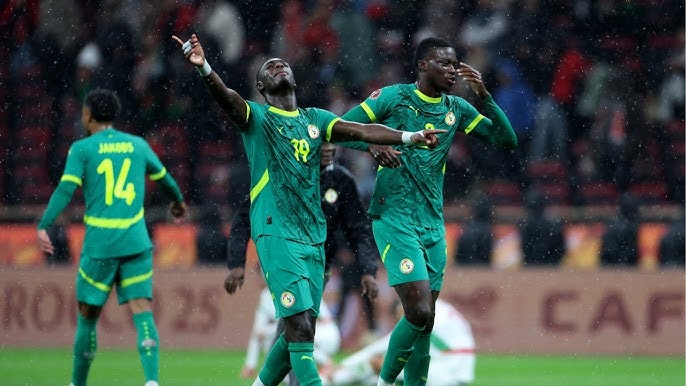
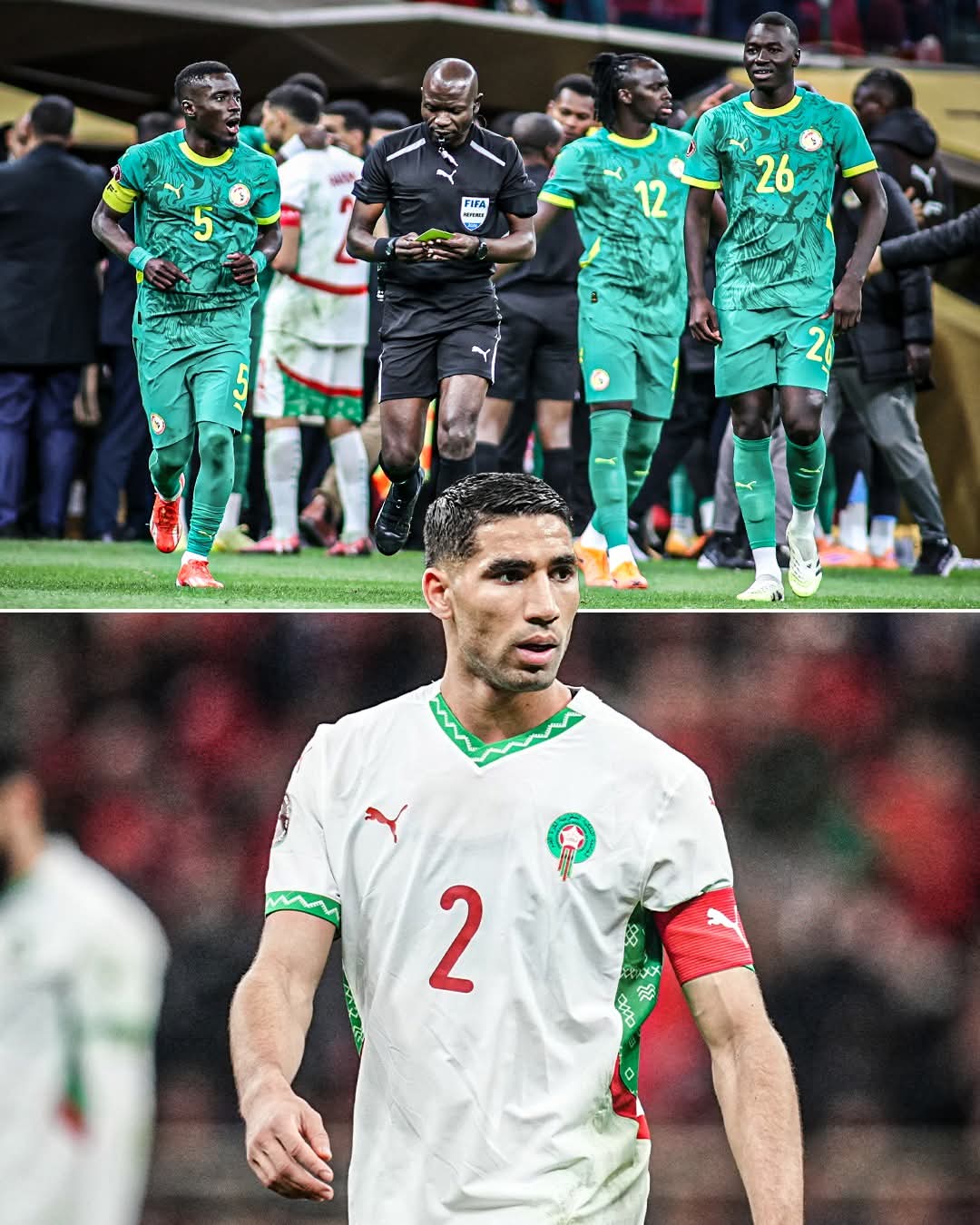
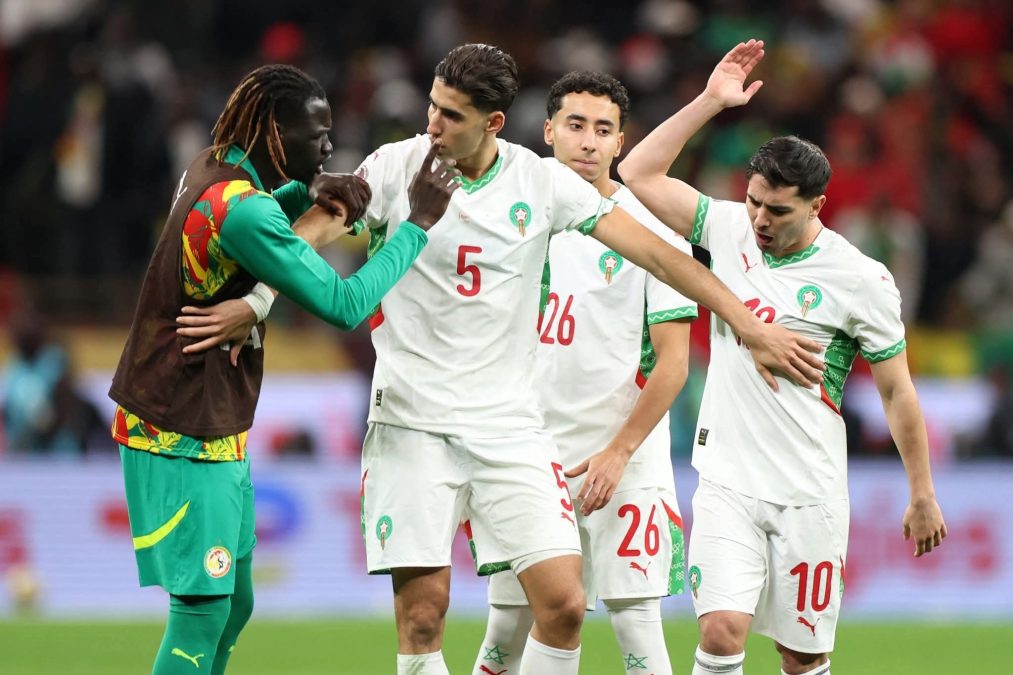
What was meant to be a celebration of African football excellence instead descended into controversy, triggering disputes over refereeing decisions, match conduct, and ultimately, the application of CAF regulations.
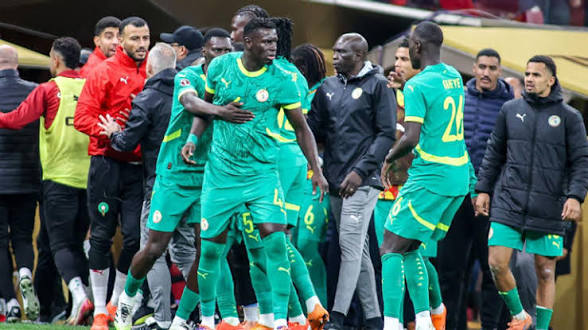
Motsepe did not downplay the gravity of the situation.
“The incidents that occurred during the final undermine the good work CAF has done over many years to ensure integrity, respect, ethics, governance, and the credibility of our football results.”
His remarks reflect a governing body acutely aware that the issue extends far beyond a single match.
A “Legacy Problem” CAF Cannot Ignore
At the heart of Motsepe’s address was a candid admission: African football is still battling a long-standing perception problem.
He described the distrust surrounding officiating and decision-making as a “legacy issue”—one that predates his leadership but continues to shape public perception today.
Despite reforms introduced since he took office, including efforts to strengthen referee independence and accountability, Motsepe conceded that suspicion persists.

“We have made good progress, but perceptions about integrity remain an ongoing concern.”
This acknowledgment is significant. It signals that CAF recognizes that restoring trust requires more than structural changes—it demands visible consistency and transparency.
Judicial Independence Under the Spotlight
A central theme of Motsepe’s statement was the independence of CAF’s judicial bodies, which came into sharp focus following contrasting decisions by the Disciplinary Board and the Appeals Board.
Rather than viewing this as a weakness, Motsepe framed it as evidence of institutional independence.
CAF, he explained, has adopted a new approach to appointing members of its judicial bodies:
Each member association and CAF’s six regional zones nominate respected judges and legal professionals
Selection prioritizes integrity, experience, and credibility
The aim is to ensure decisions are legally sound and widely respected
“The composition of these bodies reflects some of the most respected legal minds on the continent.”
However, the differing rulings have also fueled debate among fans and analysts, raising questions about consistency and clarity in decision-making processes.
Senegal’s Next Move: The Right to Appeal
With Senegal reportedly preparing to escalate the matter, potentially to the Court of Arbitration for Sport (CAS), Motsepe reaffirmed CAF’s commitment to due process.
“Every one of Africa’s 54 nations has the right to pursue their appeals—both within CAF and at the highest level.”
He emphasized that CAF will respect whatever final decision emerges from the appropriate legal channels, reinforcing the principle that no nation receives preferential treatment.
Reforms Already in Motion
Beyond statements, CAF has begun taking concrete steps to address the shortcomings exposed by the AFCON final.
Motsepe confirmed that:
- Internal reviews of the incidents are already underway
- Key deficiencies in match management and oversight have been identified
- Corrective measures are being implemented to prevent similar controversies
These actions suggest a governing body attempting to respond proactively, rather than defensively, to one of the most high-profile disputes in recent AFCON history.
The Trust Factor: CAF’s Biggest Challenge
Perhaps the most powerful element of Motsepe’s message was his focus on perception.
For CAF, the challenge is no longer just about making fair decisions—it is about convincing millions of fans that those decisions are fair.
“It is essential that football fans in all 54 African countries see our judicial decisions as fair, with integrity and impartiality.”
This distinction is crucial. In modern football, credibility is as much about transparency and communication as it is about correctness.
A Defining Moment for African Football
The AFCON 2025 final controversy may ultimately prove to be a turning point.
It has:
- Exposed underlying tensions and distrust
- Tested CAF’s governance structures
- Placed unprecedented scrutiny on refereeing and judicial processes
For Patrice Motsepe, the situation presents both a challenge and an opportunity—to reinforce reforms, rebuild trust, and redefine how African football is governed.
Conclusion
As the dispute potentially heads to the Court of Arbitration for Sport, one thing is clear: the stakes extend far beyond Senegal vs Morocco.
This is about the future of African football’s credibility.
CAF has acknowledged the problem and reforms have begun.
Now, the continent, and the world, will be watching to see whether those words translate into lasting change.
