

Fresh from securing another FKF Premier League title, Gor Mahia are set to return to the CAF Champions League, with the club expected to submit the necessary licensing documentation before CAF’s June 30 deadline.
As has become customary whenever Kenyan clubs qualify for continental football, concerns have surfaced over CAF’s strict participation requirements. However, there is little evidence to suggest that K’Ogalo should face any major obstacles in obtaining the necessary clearance.
CAF requires participating clubs to have functional youth and women’s teams, qualified technical staff holding CAF A or Pro Licenses, proper administrative structures, transparent financial records, and compliance with all player registration and transfer regulations.
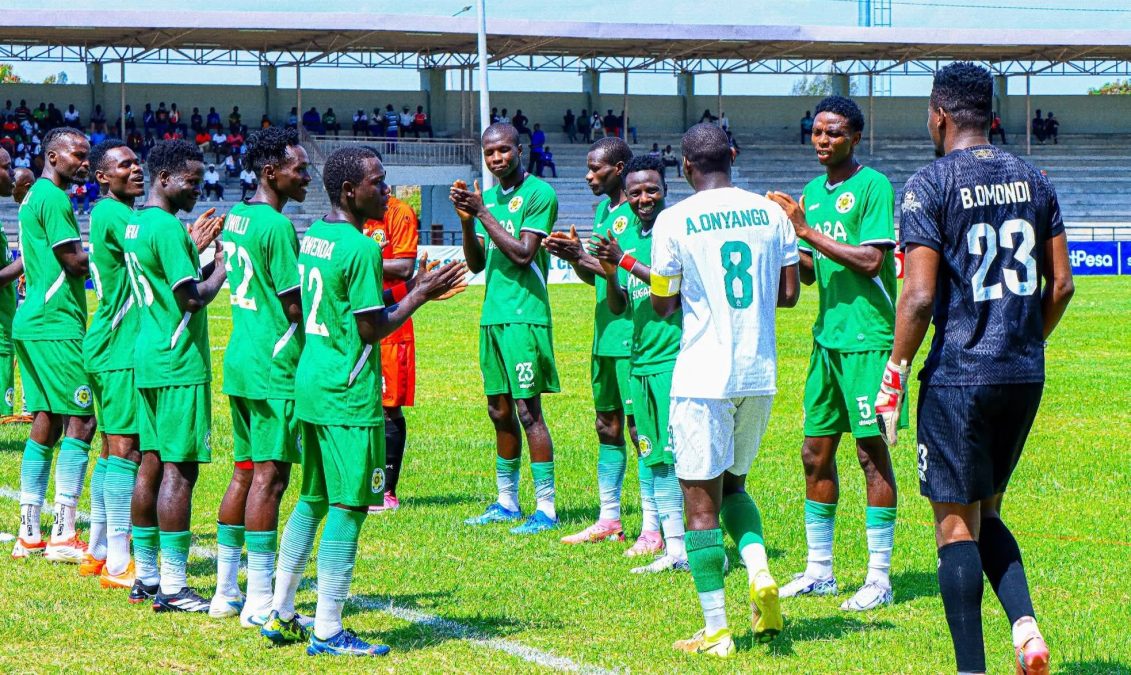
On these fronts, Gor Mahia are already operating within the framework expected of clubs participating in continental competitions. The club remains one of the most professionally structured football institutions in Kenya and has extensive experience navigating CAF’s licensing process.
One area that has attracted discussion is the stadium requirement. CAF regulations require clubs to have access to a venue capable of hosting at least 10,000 spectators and meeting the federation’s infrastructure standards.
While Nyayo National Stadium and Moi International Sports Centre, Kasarani, have traditionally served as Gor Mahia’s home venues, the planned renovations of both facilities ahead of the CAF Africa Cup of Nations (AFCON) Pamoja 2027 should not be viewed as a threat to the club’s continental participation.

Kenya, alongside Uganda and Tanzania, will co-host the expanded AFCON tournament in 2027, making the modernization of key facilities a national priority. During the renovation period, Gor Mahia still have viable alternatives available.
The Ulinzi Sports Complex has already hosted top-flight matches and can serve as an alternative venue should CAF approve it for continental fixtures. Additionally, there is growing optimism that the Raila Odinga Talanta Stadium will be completed and operational within the required timelines, potentially providing another modern facility for both domestic and continental football.
With multiple venue options available and government investment in sports infrastructure at an all-time high, stadium availability should not become a stumbling block for Kenya’s record champions.
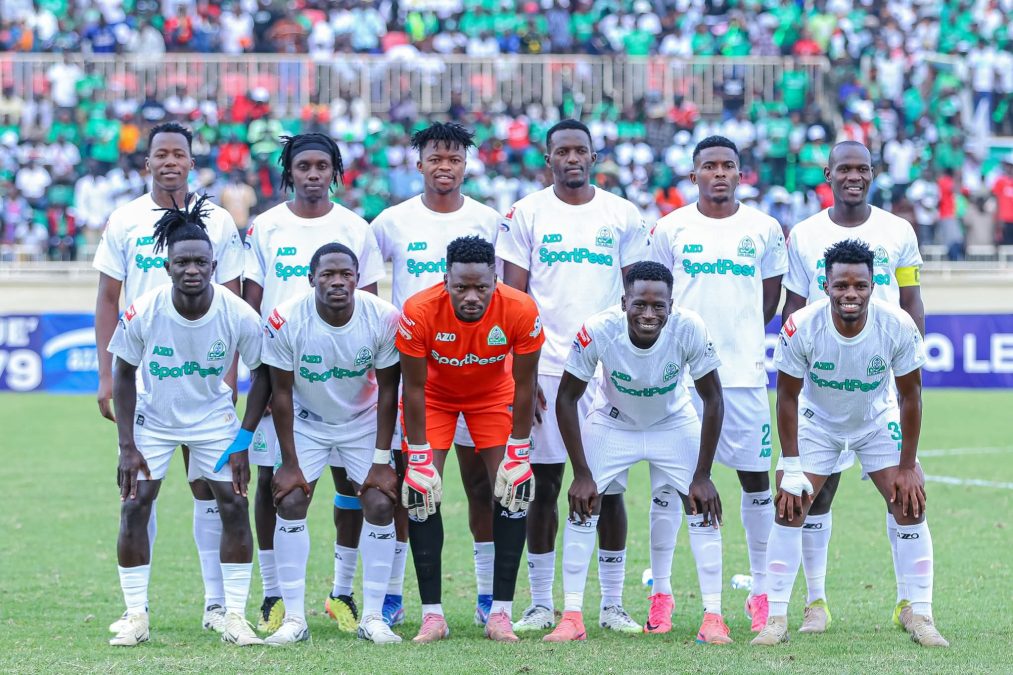
Beyond infrastructure, Gor Mahia remain a fully registered club under the Football Kenya Federation and continue to maintain the administrative structures required under CAF’s Club Licensing Regulations. The club’s technical bench has consistently been staffed by qualified coaches who meet CAF standards, while its football development structures continue to support both youth and women’s football.
Financial compliance remains a critical area for all clubs across Africa, but there has been no indication that Gor Mahia face any licensing-threatening sanctions that would prevent their participation. Like every club entering CAF competitions, K’Ogalo will be expected to provide the necessary financial disclosures and documentation through the normal licensing process.
For supporters, the focus should therefore shift from concerns about eligibility to anticipation of another continental campaign. The licensing requirements are designed to improve professionalism across African football, and Gor Mahia have repeatedly demonstrated their ability to meet these standards.
The real challenge awaiting K’Ogalo is not securing a place in the CAF Champions League, it is making a meaningful impact once they get there. With a passionate fan base behind them and another league title in the cabinet, Gor Mahia’s attention should now turn to assembling a squad capable of competing with Africa’s best.
As things stand, there is every reason for confidence and very little reason for concern.
