

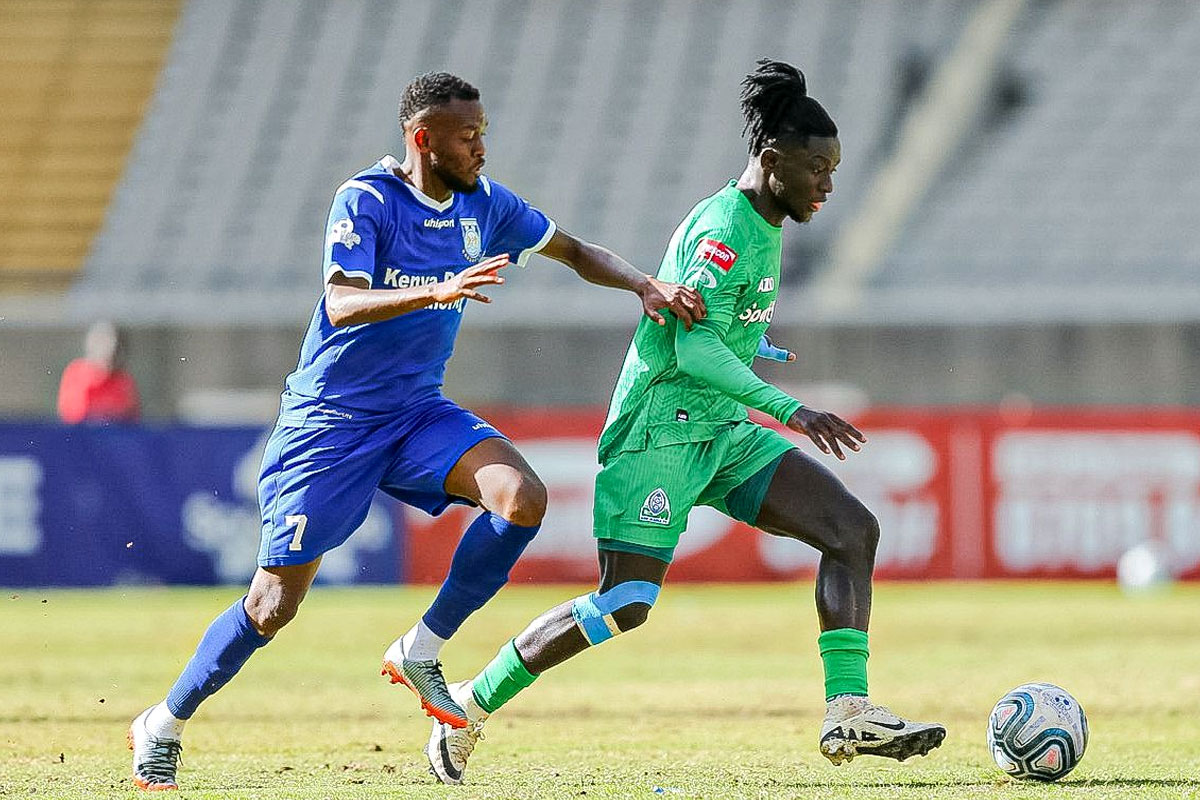
Kenyan football is once again under scrutiny, and at the center of the storm is Gor Mahia FC. A series of controversial refereeing decisions, the latest coming against Bandari FC, has reignited debate about the standards, consistency, and credibility of officiating in the Kenyan Premier League.
A Clear Moment Turned Controversial
The defining moment at Kasarani came when Musa Shariff produced a dazzling run from the left flank, beating two defenders before going down inside the penalty area. The referee, well-positioned and seemingly confident, pointed straight to the spot.
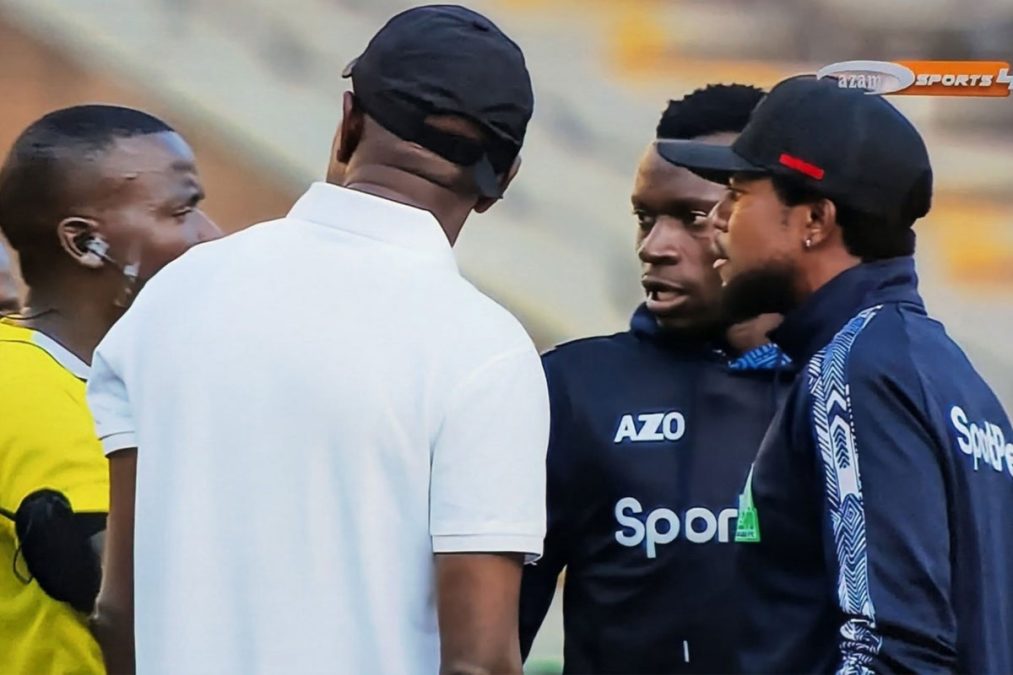
For a brief moment, justice appeared to be served, but that moment quickly dissolved into chaos. Bandari players surrounded the referee in protest, contesting the decision with visible intensity. What followed was a dramatic and questionable turn of events, after consulting the fourth official, the referee overturned his initial call.
No penalty. No VAR. No clear explanation. Just confusion and frustration.
When Authority Bows to Pressure
This incident highlights a deeper issue, the growing perception that referees in Kenyan football are increasingly susceptible to external pressure.
The laws of the game are clear: decisions should be final unless there is clear, independent reason to change them. In this case, the absence of video technology like VAR means any reversal must come from the referee’s own conviction, not from player protests.
So what changed?
Was the initial decision wrong or did pressure influence the outcome? Either possibility raises serious concerns. Timekeeping Controversy Adds Fuel
As if the penalty drama wasn’t enough, another glaring issue emerged, time management.
The match had five minutes of added time indicated. However, the final whistle was blown after just about two minutes of stoppage time. In a tightly contested match, where every second matters, such inconsistencies are unacceptable.
Timekeeping is not subjective, it is a fundamental part of match control. Cutting it short only deepens suspicion and dissatisfaction among players and fans alike.
Not an Isolated Incident: The Mwea Flashback
Unfortunately, this is not the first time Gor Mahia have found themselves on the wrong side of controversial officiating.
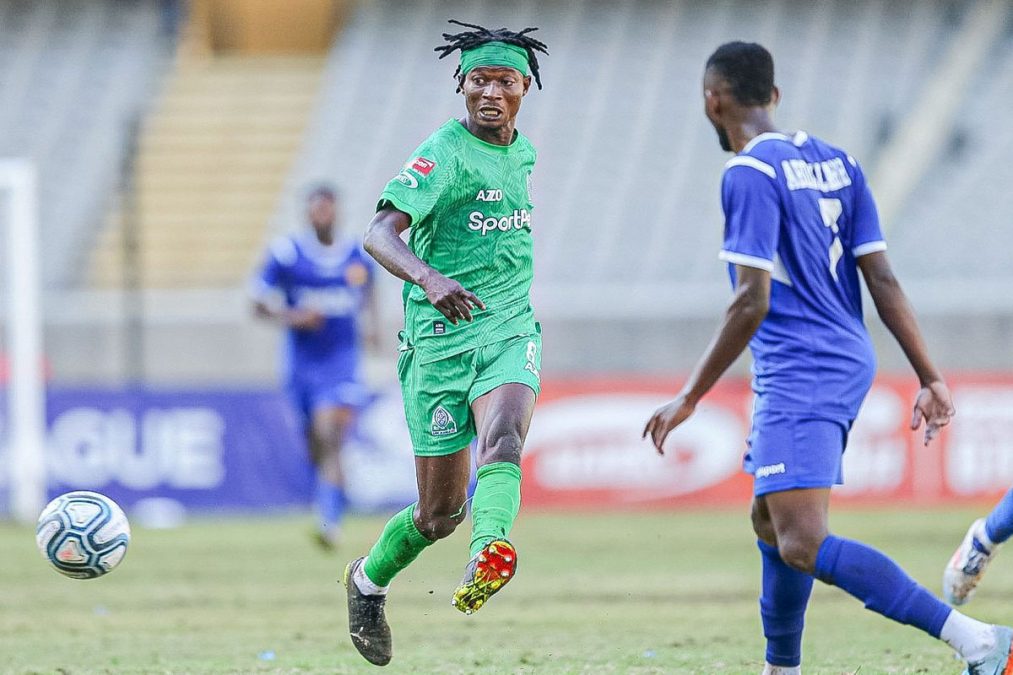
In a previous fixture against Tusker FC in Mwea, K’Ogalo were denied what appeared to be a clear penalty during a crucial phase of the match. Players and officials reacted angrily after the referee waved play on despite visible contact inside the box.
That decision sparked widespread debate across Kenyan football circles. Many believed it directly influenced the outcome of the match. Now, with a similar incident occurring again, a troubling pattern is emerging.
A League at Risk of Losing Credibility
Repeated officiating controversies do more than just affect individual matches, they erode trust in the entire competition.
- Fans begin to question fairness.
- Clubs feel aggrieved and targeted.
- Players lose confidence in match officials.
- And ultimately, the credibility of the Kenyan Premier League suffers.
In modern football, transparency and accountability are key. Yet locally, controversial decisions often disappear into silence, with no official explanations, no post-match reviews, and no visible accountability.

The Need for Urgent Reform
The time for passive concern is over. Action is needed. The Football Kenya Federation must take decisive steps to restore confidence in officiating. This includes:
- Strengthening referee training and decision-making under pressure
- Enforcing strict disciplinary measures against player intimidation
- Ensuring accurate and accountable timekeeping
- Introducing structured post-match reviews with public explanations
- Exploring long-term adoption of VAR or similar technology
Final Word
For Gor Mahia, these moments may represent lost opportunities, points that could define a season. But beyond the club, this is about the integrity of Kenyan football as a whole.
If left unchecked, such controversies risk normalizing inconsistency and undermining the spirit of fair competition.
Football must be decided by skill, strategy, and performance, not by questionable officiating decisions.
