

There are moments when a sporting dispute stops being about sport. What is unfolding at the Football Kenya Federation (FKF) is one such moment.
This is no longer a boardroom disagreement, it is a constitutional test that will determine whether Kenyan football is governed by rules or by raw power.
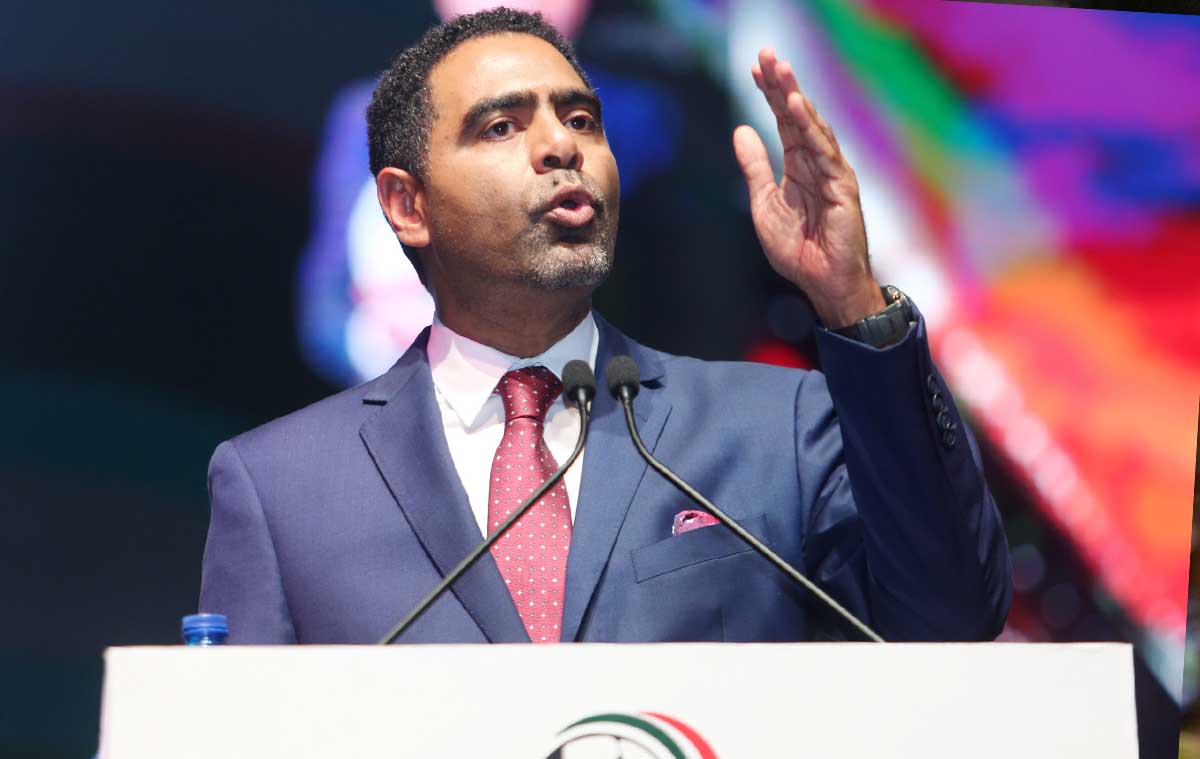
On one side stands Hussein Mohamed, dismissing his alleged ouster as illegal, unconstitutional, and procedurally flawed.
On the other is a faction of the National Executive Committee fronted by McDonald Mariga, claiming decisive action was necessary to protect the federation from alleged financial and governance violations.
Both sides may claim legitimacy. Only one can have it.
Procedure Is Not a Technicality
The FKF Constitution is not a suggestion, it is the law that binds the federation. And at the heart of this crisis lies a simple but decisive question: Was the NEC meeting lawfully convened?
If due process under Article 38 was ignored, no formal request, no proper notice, no waiting period, then the meeting collapses under its own illegality. It does not matter how urgent or justified the concerns may have been. An unconstitutional process cannot produce a constitutional outcome.
Equally, removing a president is not an ambush exercise. Article 42.7 is explicit: there are procedures, thresholds, and safeguards. Skip them, and the decision is not bold, it is void.
This is where many institutions fail. They confuse urgency with legality. They act first, then attempt to justify later. But governance does not work that way. Once you break the rules to “save” the institution, you have already weakened it.
Allegations Are Serious, But So Is the Law
Let’s be clear: the allegations cited by the NEC are not trivial. Claims of financial impropriety, procurement breaches, and loss of funds, now reportedly under scrutiny by bodies like the Ethics and Anti-Corruption Commission, Confederation of African Football, and FIFA, demand investigation.
But here is the uncomfortable truth:
You do not defend integrity by abandoning legality.
If anything, cutting corners in the name of accountability risks poisoning the very investigations meant to clean up the game. Cases collapse. Decisions are overturned. And the accused walk away not because they are innocent, but because the process was flawed.
The Danger of Two Presidents
What FKF now faces is not just a dispute, it is a vacuum disguised as authority. A sitting president who refuses to step aside. An acting president who claims to have already taken over.
This is how institutions unravel,not with a bang, but with competing signatures on official letters.
- The risks are immediate:
- Administrative paralysis
Sponsor uncertainty
And perhaps most dangerously, scrutiny from FIFA, which has little patience for governance that strays outside recognized statutes
Football has seen this script before across the continent. It rarely ends well.
The Way Out Is Legal, Not Political
There is only one credible path forward: submit the dispute to the law.
An independent interpretation, whether through the Sports Disputes Tribunal or another competent body, must determine:
Whether the NEC meeting was valid
Whether the process to remove officials met constitutional thresholds
Anything short of that invites chaos.
At the same time, investigations by statutory bodies must proceed without interference. If wrongdoing exists, it must be exposed and punished, but through lawful means that can withstand scrutiny.
Beyond the Derby, Beyond the Drama
As fans prepare for the clash between Gor Mahia and AFC Leopards, the temptation will be to treat this crisis as background noise. It is not.
What happens in FKF offices will shape what happens on Kenyan pitches, for years to come.
This is the moment of truth. FKF can choose the discipline of law, even when it is slow and inconvenient. Or it can embrace the shortcuts of power, and pay the price later.
Because in the end, the question is brutally simple:
