


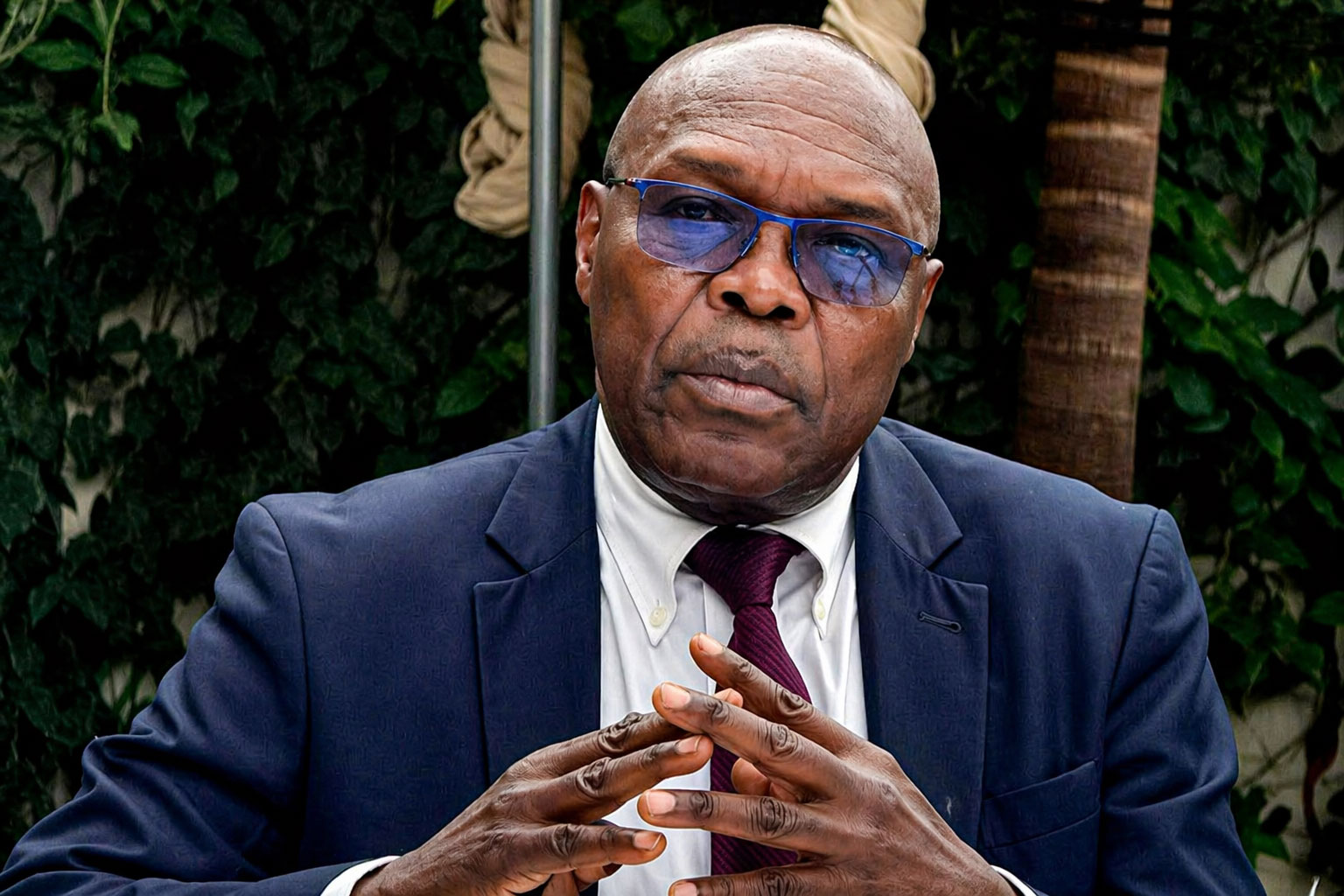
Gor Mahia Chairman Ambrose Rachier has formally raised concerns over what he termed questionable officiating during the club’s recent FKF Premier League clash against Bandari FC.
Speaking during a press conference held in Nairobi on Wednesday morning, April 22, 2026, Dr. Rachier confirmed that the club has already submitted a formal protest to the Football Kenya Federation (FKF), seeking clarification on key match incidents.
The match in question was played on April 18, 2026, at the Moi International Sports Centre Kasarani, where controversial decisions by match officials sparked widespread debate among fans and stakeholders.
Penalty Decision Under Scrutiny
Central to Gor Mahia’s protest is the reversal of a penalty decision initially awarded to the team. According to Dr. Rachier, the circumstances surrounding the reversal raise serious questions about adherence to the Laws of the Game.
“We are asking whether it is lawful for a referee to reverse a decision such as awarding a penalty, particularly following physical pressure from opposing players,” Rachier stated.
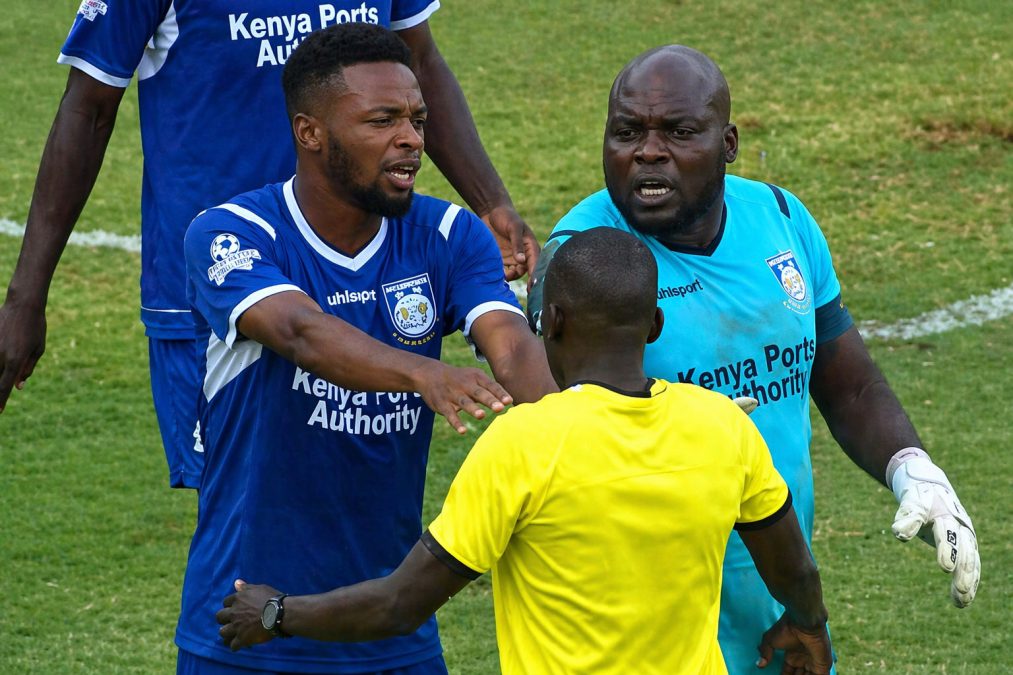
He pointed out that video footage appears to show players from the opposing side confronting and physically engaging the referee prior to the reversal.
“If you look at the video, the players were actually pushing the referee. Is that right? Why was the decision reversed?” he posed.
Concerns Over Player Conduct
Beyond the decision itself, Rachier questioned why players who appeared to harass the referee were not sanctioned.
“Why were the players harassing the referee or actually pushing him? Why were they not punished? Has the law changed?” he asked.
The chairman emphasized that Gor Mahia is not making conclusions but is instead seeking official interpretation and accountability from FKF.
Debate Over Added Time Management
Another issue raised involves the handling of added time during the match. Rachier acknowledged that referees are permitted to extend stoppage time in certain situations, such as injuries occurring during added time.
However, he questioned whether reducing already indicated added time is permissible.
“We believe the referee can increase time in case of injuries during added time. But we do not think the law allows the referee to reduce the added time,” he explained.
Formal Protest Submitted
Dr. Rachier reiterated that Gor Mahia has opted to address the matter through official channels rather than public debate.
“We have already written to the Federation. I don’t think this is the forum to address it publicly. We are asking them to look into these issues and clarify whether we are right or wrong.”
He added that the club remains open to correction should their interpretation of the rules be inaccurate.
Protecting the Integrity of the Game
The Gor Mahia chairman concluded by stressing the importance of transparency and consistency in officiating, warning that unresolved controversies risk undermining the integrity of Kenyan football.
“If they insist that what happened is right, then it is for everyone to see. But we must protect the game.”
