


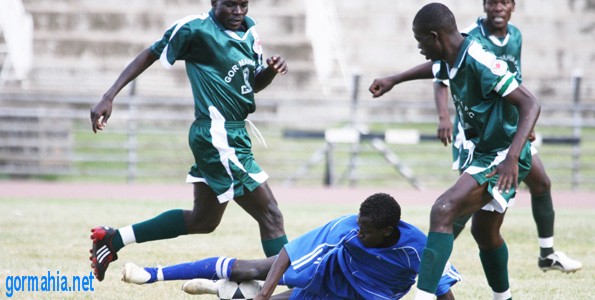
Before the glory, the titles, and the continental dreams, there was 2005, a year many Gor Mahia fans would rather forget, but one that shaped the club’s modern identity.
A Giant on Its Knees
By 2005, K’Ogalo was no longer the dominant force Kenyan football feared. Years of financial struggles, poor management, and constant leadership wrangles had pushed the club into crisis.
Gor Mahia managed only six wins in the 2004/05 campaign, finishing among the bottom teams and faced relegation. The club’s instability reflected wider issues in Kenyan football, including mismanagement and governance challenges. What was once a powerhouse had become a club fighting for survival.
Boardroom Wars & League Chaos
 The 2005 season was more than just football, it was a rollercoaster of controversy and chaos. League standings were constantly shifting due to disputes and appeals, with Gor Mahia’s fate swinging perilously between relegation and survival. Off the pitch, administrative battles compounded the turmoil, as the club missed crucial matches and defied league directives, leaving fans and rivals alike in suspense.
At one point, the club even refused to honor playoff matches, leading to further sanctions and confusion.
Relegated… Reinstated… Relegated Again
In one of the most turbulent chapters in Kenyan football history, Gor Mahia faced a rollercoaster of fate during the season. Initially, the club was relegated, sending shockwaves through its fanbase. Hope briefly returned when administrative decisions temporarily saved the team from the drop.
However, that reprieve was short-lived. Gor Mahia was once again relegated after failing to meet certain league requirements. Just when it seemed the club’s top-flight future was in jeopardy, a combination of league restructuring and withdrawals by other teams paved the way for Gor Mahia to reclaim its place in the premier division, ending a season marked by controversy, uncertainty, and resilience.
Fans & Players: The Real Victims
Despite the turmoil, Gor Mahia players kept fighting on the pitch, and the loyal Green Army stood by them through it all. Yet, poor leadership decisions repeatedly undermined their efforts, turning what should have been a season of triumph into one of frustration and uncertainty.
The Turning Point
The years 2001–2008 are widely seen as the darkest period in Gor Mahia’s history. Yet, the pain sparked a push for professional management, structural reforms, and a rebuild that ultimately laid the foundation for the club’s domestic dominance in the 2010s.
From Crisis to Comeback
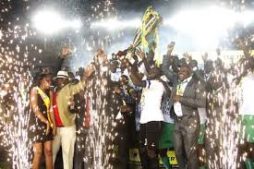 Fast forward a decade later, and Gor Mahia rose again to dominate Kenyan football — even going unbeaten in the 2015 league season, a historic achievement
Final Word
2005 wasn’t just a bad season, it was a wake-up call. It reminded everyone that even giants can fall… but with the right changes, they can rise again, stronger, smarter, and more determined than ever.
