

The renewed debate around AFC Leopards and Gor Mahia owning stadiums is understandable. Big clubs, after all, should dream big. But in football, ambition without economic logic is how institutions collapse.
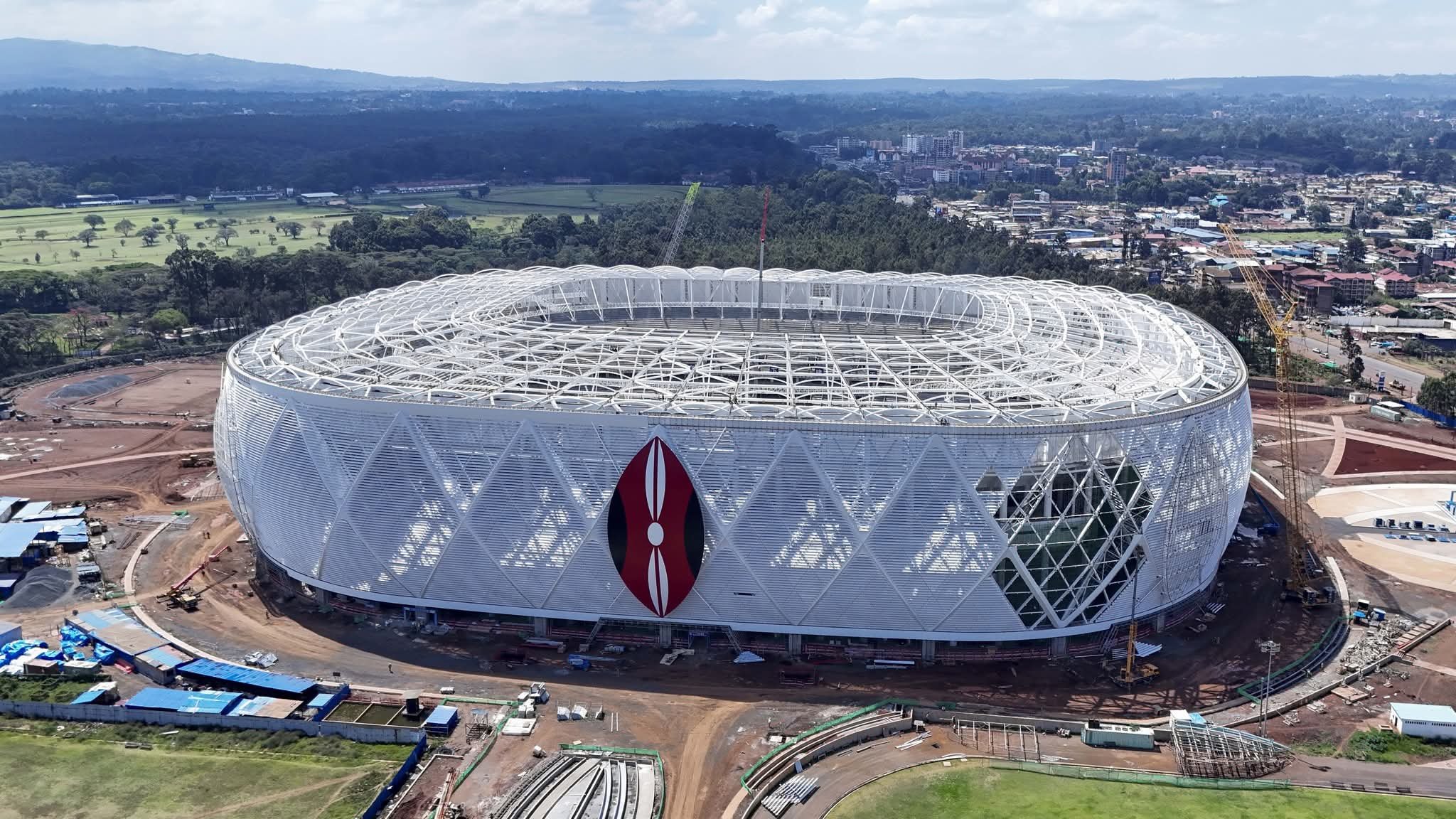
Kenya today is not short of stadiums. Over the last decade, national and county governments have invested billions of shillings into modern sporting infrastructure. From Raila Amollo Odinga Talanta, Kasarani and Nyayo to Jaramogi Oginga Odinga Stadium, Bukhungu, Kirigiti and several county facilities, the country will soon boast more than 20 usable stadiums built for competitive football.
The real question, therefore, is not where clubs will play their matches, but where they train, develop players and operate daily.
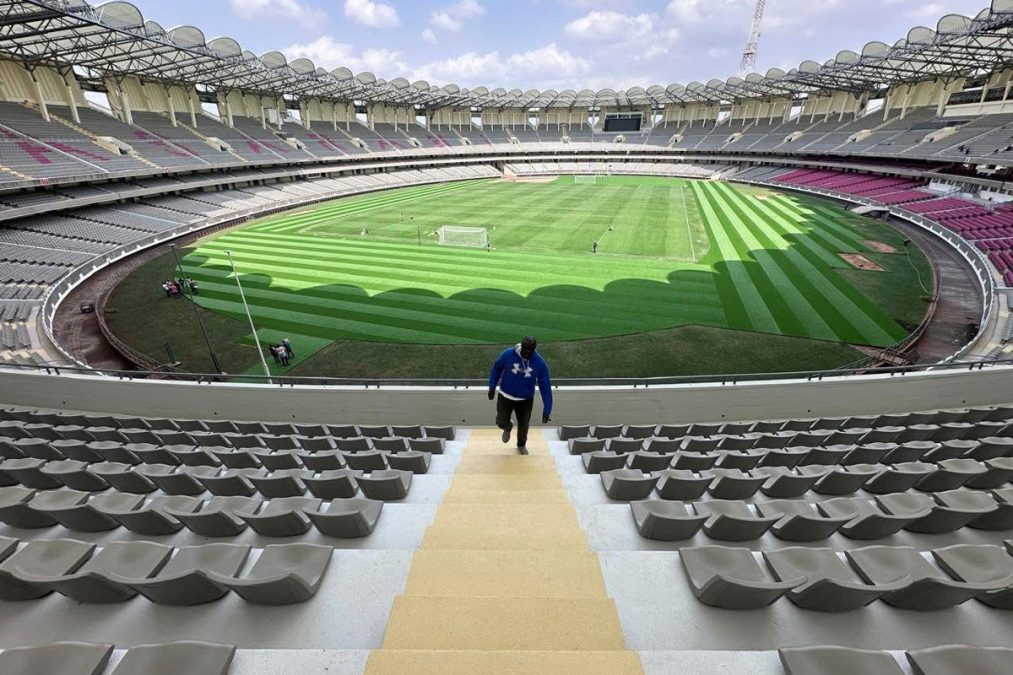
Matchday football in Kenya remains a weak revenue stream. Attendance is inconsistent, gate collections are modest, and revenues are often shared between stadium management and clubs. Add the high cost of maintaining a stadium, security, pitch upkeep, utilities and staffing, and ownership quickly shifts from being a symbol of power to a financial burden.
In contrast, the biggest expense in any football club is not matchday operations but training. Clubs spend money every single day on training grounds, logistics, travel, recovery, and administration. Yet many Kenyan teams still hire facilities, juggle training schedules, or prepare on substandard surfaces that compromise player development and increase injury risk.
This is where the real opportunity lies.
Owning a well-structured training ground and clubhouse offers tangible, long-term benefits. It reduces operating costs, ensures consistency, improves performance standards, and creates an environment conducive to youth development. Unlike a stadium, a training facility works for the club seven days a week.
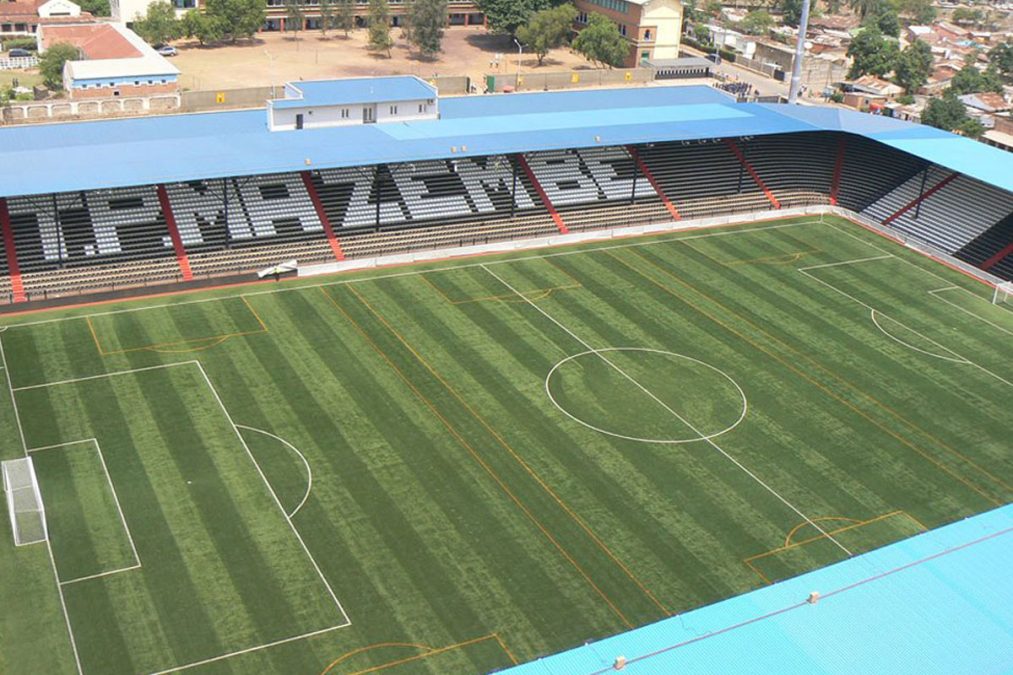
The continental examples are telling. TP Mazembe and Azam FC are not dominant because they own massive stadiums. Their strength lies in club-controlled ecosystems, training centres, academies, medical facilities and administration blocks that allow them to plan, spend and grow sustainably. Their stadiums, where they exist, are modest and used strategically.
Kenyan football would benefit more from replicating this model than chasing prestige projects. With public stadiums already in place, it makes little sense for clubs to duplicate government investment. What makes sense is for clubs to build assets that lower long-term costs and improve football output.
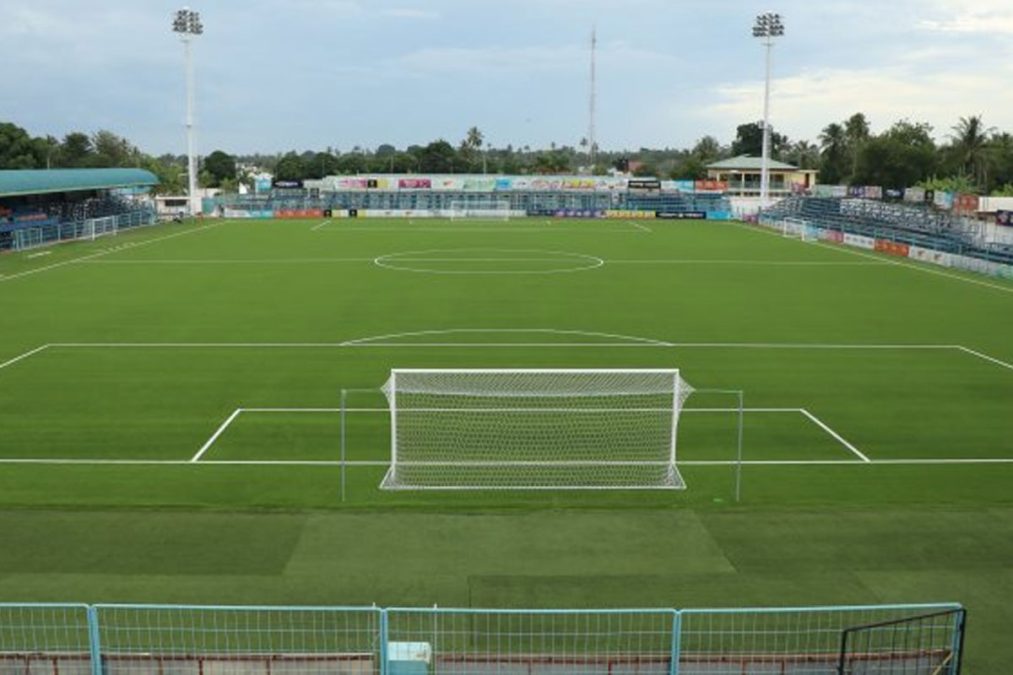
For giants like Gor Mahia and AFC Leopards, the priority should be clear: secure land, develop training complexes, build modern clubhouses, and invest in youth systems. If a stadium ever comes, it should be small, functional and attached to the training centre, not a costly standalone monument.
Football success is built on what happens from Monday to Friday, not just on Sunday afternoon. Until Kenyan clubs accept that reality, stadium ownership will remain an expensive distraction rather than a solution.
Disclaimer: This opinion reflects the author’s personal views and not those of any club, federation, or employer.
