

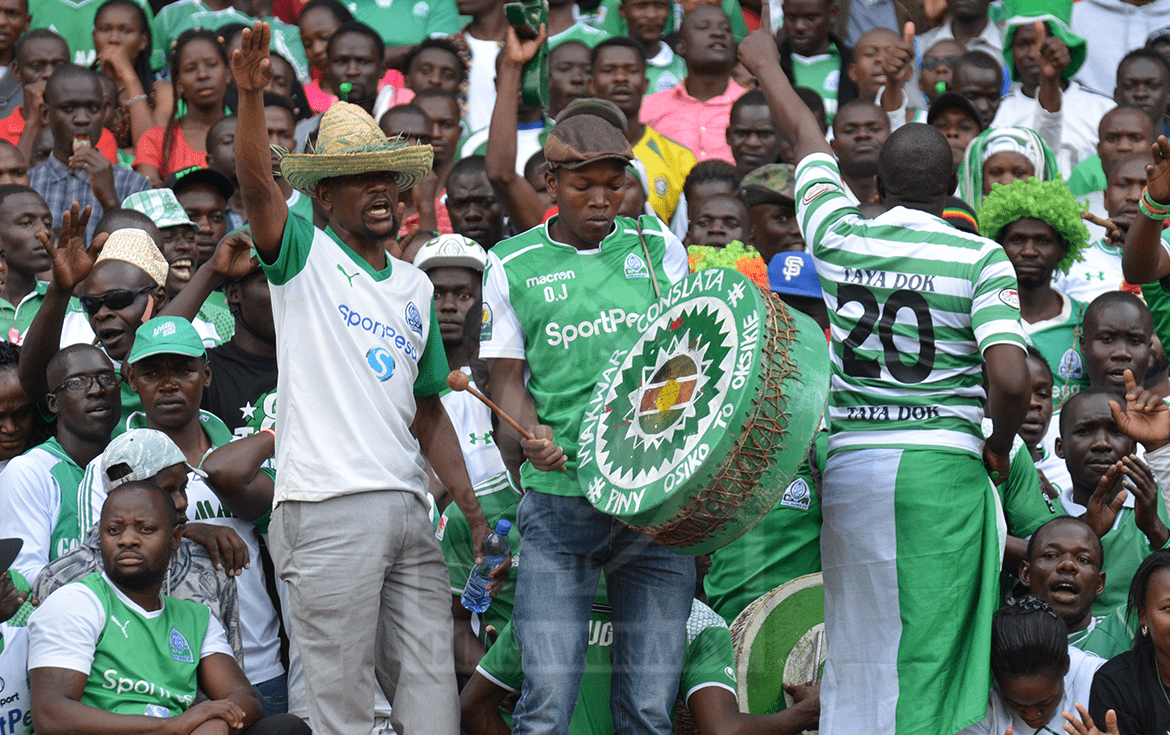
When Jaro Soja called for a “war” on Saturday the 26th, following allegations of a split within the K’Ogalo choir, neither he nor the fans imagined that the real battle would unfold on the lush green turf of Kasarani Stadium.
And battle it was.
By full time, Gor Mahia had silenced all noise with a hard-fought 2–1 victory over Bidco United, cutting short any banter that might have brewed. With AFC Leopards breathing down their necks, level on points with Mayienga at the top of the Kenyan Premier League table, Gor needed more than just tactics, they needed spirit.
The self-proclaimed number one fan had earlier lamented divisions within the famous K’Ogalo choir, where different groups now jostle for space, recognition, and identity. To some, unity feels like erasure; to others, it feels like survival.
But perhaps Kasarani offered the clearest answer.
Gor Mahia is a club forged in passion, love, resistance, and resilience. Time and again, it has shown that adversity does not weaken K’Ogalo, it awakens it. What we witnessed on that Saturday may well have been a crisis that reignited the club’s ancient roar, turning discord into fuel and pressure into magic.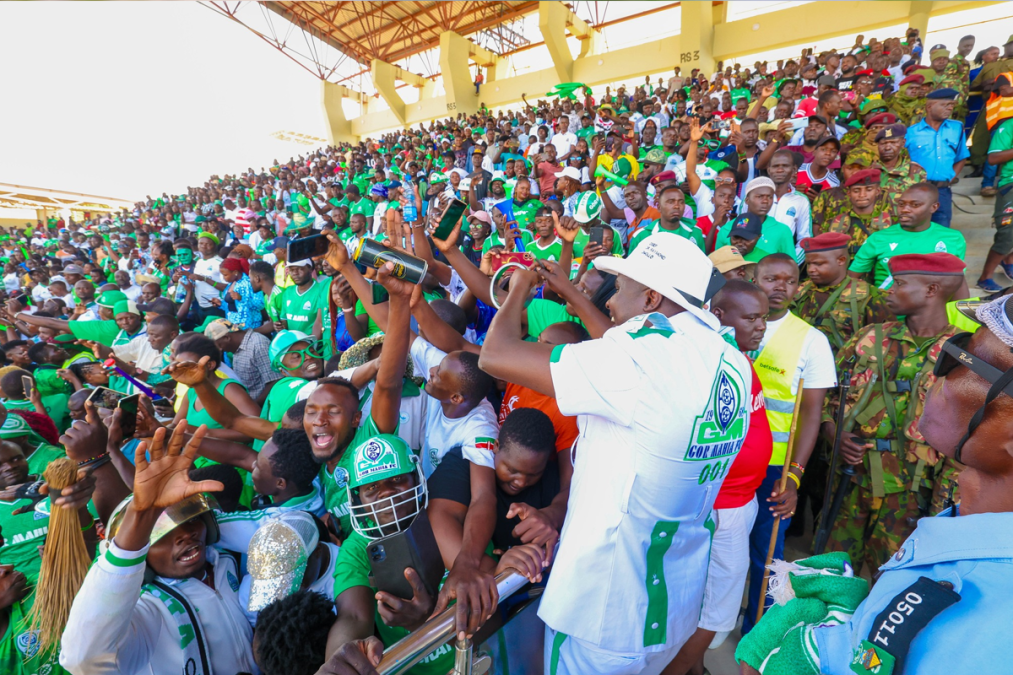
So what really causes the K’Ogalo choir to split—or to unite?
Is the choir a formal institution within Gor Mahia, or is it simply an open space where every K’Ogalo heart finds a voice?
To understand this, we must rewind to the early 2010s, when the choir occupied a special place in the terraces, the era when the name Green Army was born. Back then, the choir was not about hierarchy or ownership. It was about sound, rhythm, and collective emotion.
Notable football media personalities and die-hard fans, Odindo Ayieko (who invented The Mashemeji Derby), San Bishop, Mike Okinyi, Odhiambo KGM, Cliff Nyakwar Dani, Man Gidi, among others, stood shoulder to shoulder. Whether you were officially “in the choir” or just another fan in green and white did not matter. Once the rhythm caught, everyone moved with it.
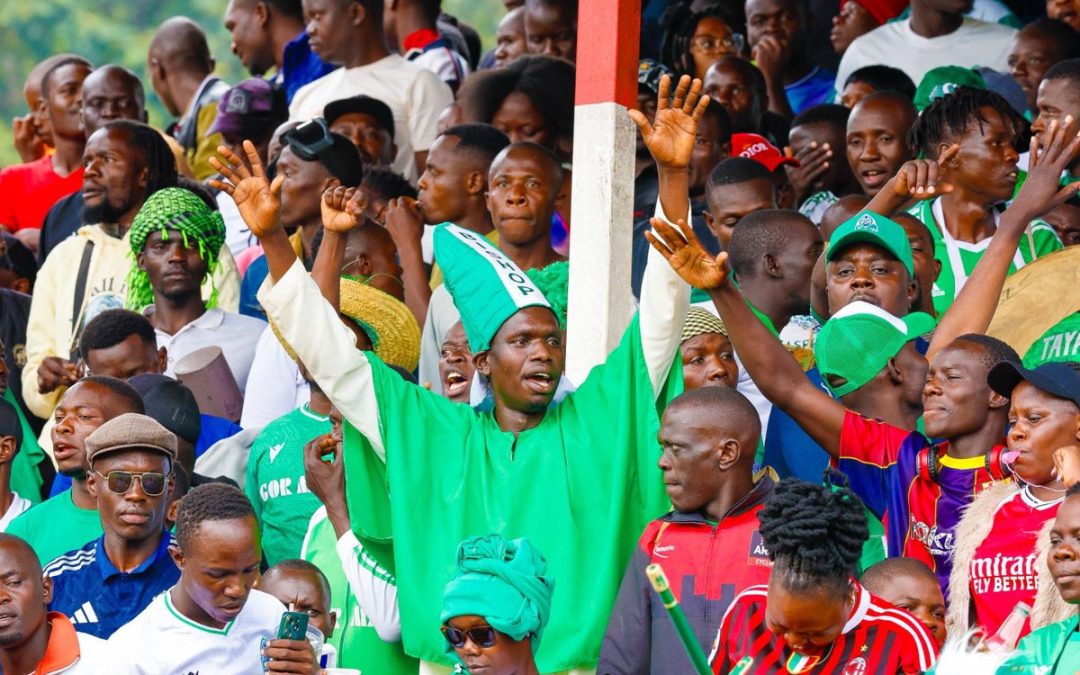
Identity was secondary. What mattered was the soloist at that moment, the voice brave enough to start a chant, bold enough to carry history, pain, pride, and hope in a single verse. Songs of K’Ogalo, some poetic, some historical, some raw, rolled through the stadium like a battlefield chorus. They lifted players, united strangers, and turned concrete stands into living theatre.
Today, the conflict is audible. You can hear it in the chants, see it in the formations, and feel it in the tension. But even now, the essence remains unchanged.
Gor Mahia is bigger than any individual, any group, any microphone.
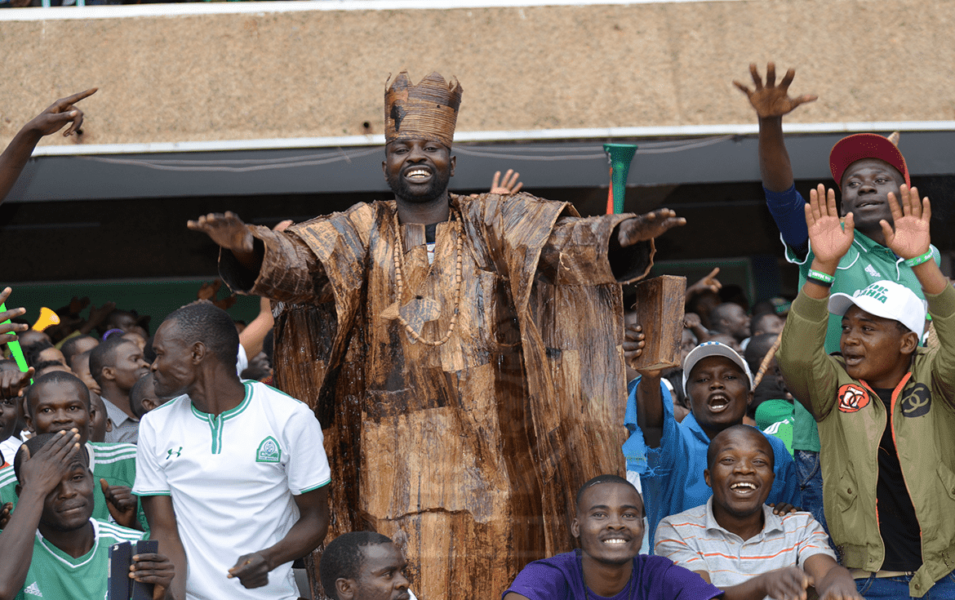
As long as the rhythm of K’Ogalo beats, any soloist can spark the fire—and the fans will respond. Fully. Instinctively. Together.
Just like Kanyamwa.
In the end, the choir is not a structure. It is a spirit. And that spirit, no matter how tested, will always find its way back to one song, Gor Mahia till I die. 💚🤍
