



November 16, 2019 marked a challenging but pivotal moment for Gor Mahia. Following their elimination from the CAF Confederation Cup, the club entered an international break that offered a rare chance to regroup, reflect, and recalibrate their ambitions.
The exit had dampened expectations, especially considering their strong continental run the previous season under Hassan Oktay, when K’Ogalo reached the quarter-finals.
At the time, consistency on the continental stage seemed to be slipping. Under the stewardship of British coach Steven Polack, Gor Mahia were navigating a period of transition both on and off the pitch.
Financial constraints at home added to the pressure, creating a tense environment that threatened to escalate if not addressed. The international break, therefore, became more than just downtime, it was an opportunity to stabilize the squad, maintain fitness, and seek alternative avenues for morale and exposure.
An Unusual Invitation from Benghazi
Amid these challenges, an unexpected invitation arrived from Libya. Al Hilal Benghazi extended a friendly match offer to Gor Mahia in the city of Benghazi, a place historically associated with conflict and resilience.
The initiative was not merely sporting; it carried symbolic weight as part of Libya’s broader effort to reintegrate into international football.
The match was staged at Benina Martyrs Stadium and was intended to help demonstrate that Libya could safely host international fixtures again.
The event also aimed to encourage the Confederation of African Football (CAF) to consider lifting the ban that had prevented foreign teams from playing in the country since 2014 due to political instability.
The Journey from Nairobi to Benghazi
Gor Mahia’s journey began at Jomo Kenyatta International Airport, transiting through Cairo before proceeding to Alexandria and finally Benghazi. The team landed in Cairo on November 12, 2019, where they stayed at Radisson Blu Hotel, Cairo during a short stopover.
From Cairo, the squad undertook a road trip of approximately 220 kilometers to Alexandria, a route that offered striking views of Egypt’s landscape, including the Nile Delta and distant glimpses of the pyramids.
From Alexandria, the team then flew to Libya under strict travel arrangements, as airspace restrictions required coordination through secure and approved channels due to Libya’s classification as a high-risk zone at the time.
During their stopover, concerns were raised by representatives of Kenya’s consulate in Egypt regarding travel to Libya. However, after assurances that the match was officially sanctioned and security measures were in place, clearance was granted for the team to proceed.
Upon arrival in Benghazi, Gor Mahia were warmly received and accommodated at the Tibesti Hotel, a prominent establishment overlooking the harbor area.
The Matches and Football Diplomacy
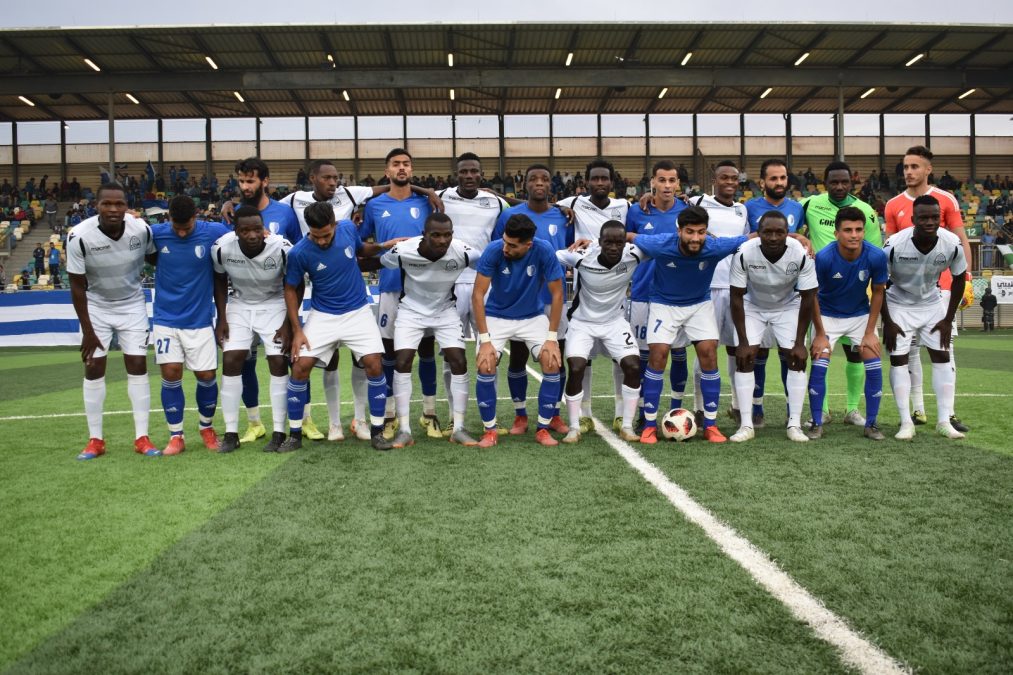
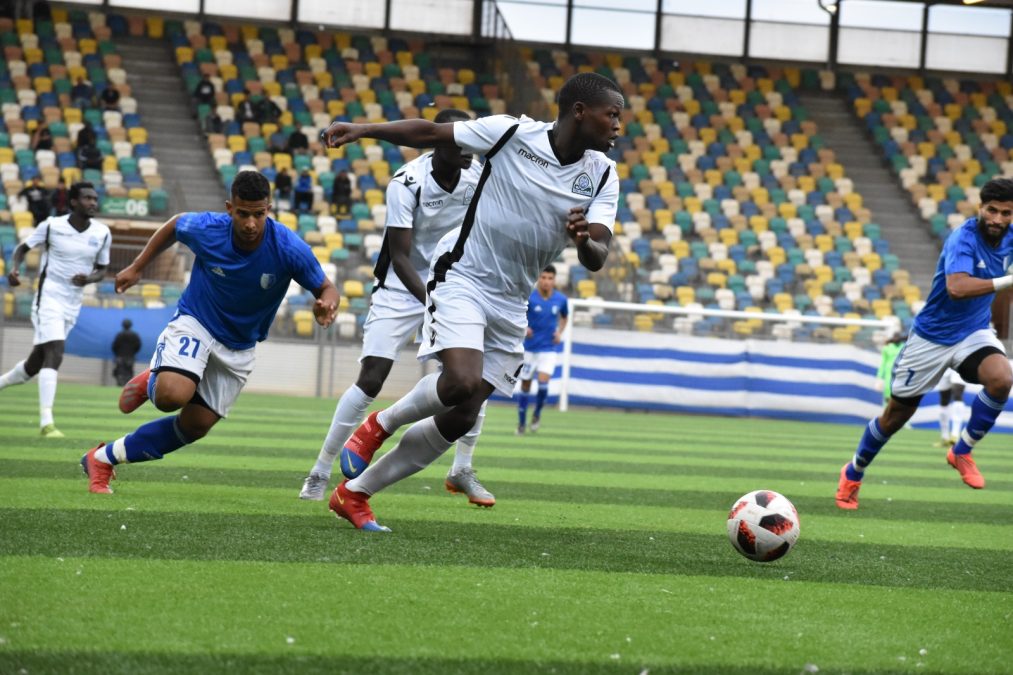
Gor Mahia faced Al Hilal Benghazi in a match that ended in a 1–1 draw. The Libyan side took the lead before Samuel Onyango responded with a well-taken long-range low shot to restore parity and secure the result for K’Ogalo.
The match was competitive, with the North African side displaying technical superiority in possession and build-up play, while Gor Mahia relied on resilience and organization.
Al Hilal’s leadership emphasized the importance of such initiatives, noting that visible international participation would help strengthen Libya’s case for reinstatement as a host nation for global and continental fixtures.
But the result was secondary.
This was the first time since April 2013 that a foreign team had played in Libya. The match was part of a deliberate effort to convince CAF and FIFA that the country was ready to host international football again, after a ban imposed in 2014 due to political instability.
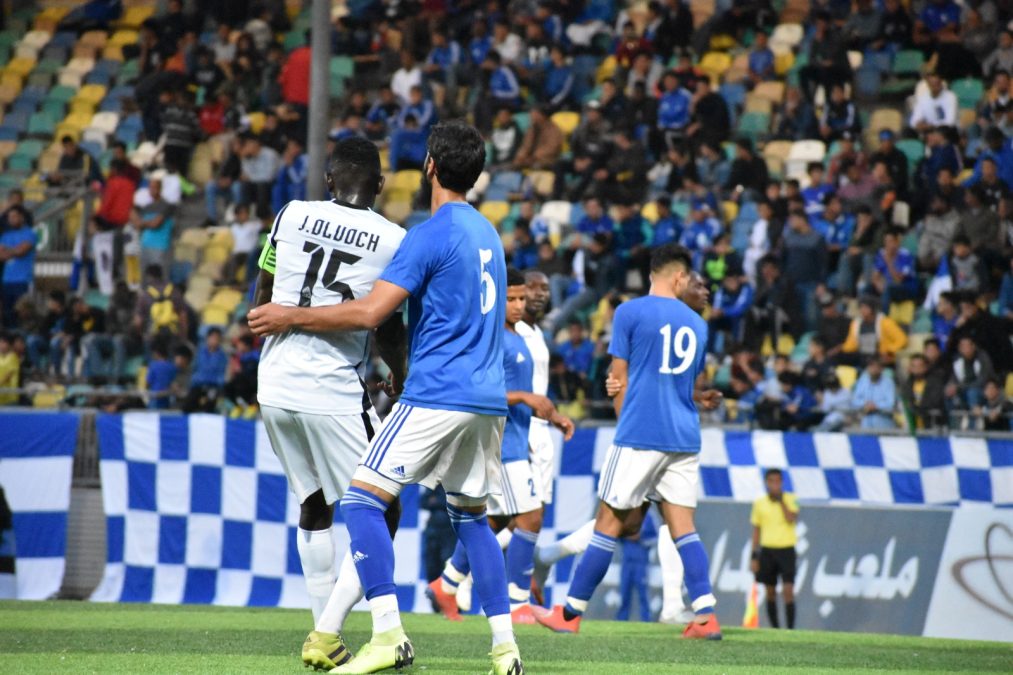
The atmosphere was electric. Libyan fans turned up in large numbers, eager and emotional, welcoming international football back to their soil.
A Symbolic and Strategic Visit
For Gor Mahia, the trip was significant on multiple levels. Beyond the football results, it strengthened diplomatic and sporting ties between Kenya and Libya, provided players with valuable international exposure, and offered a much-needed morale boost during a difficult period.
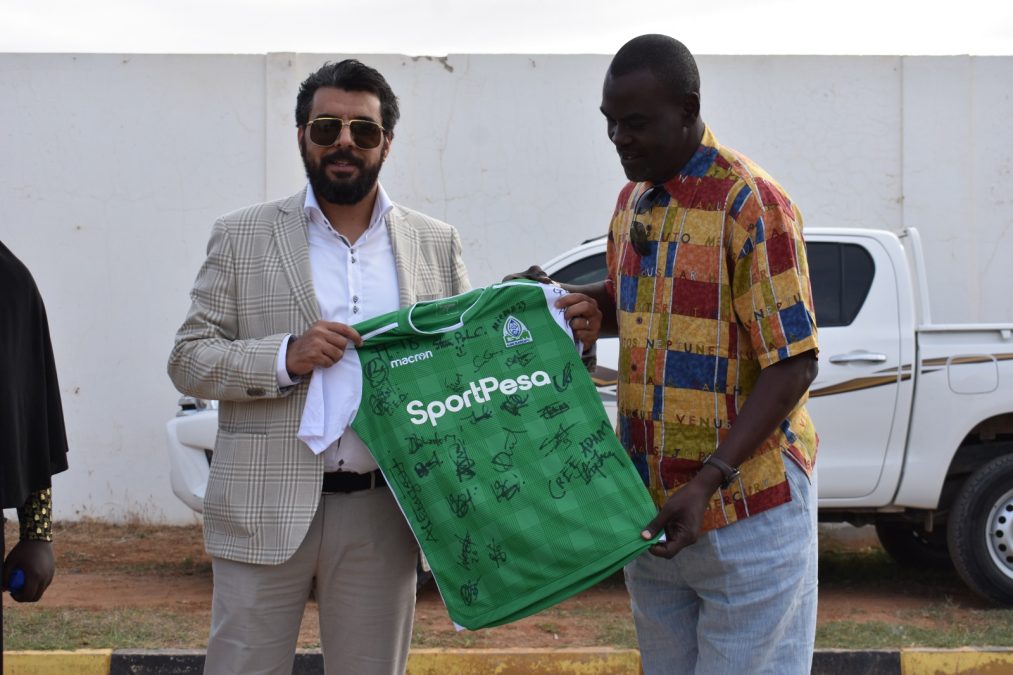
Despite ongoing financial challenges and competitive pressures back home, the trip demonstrated the club’s adaptability and willingness to engage in initiatives that extend beyond the pitch. It also highlighted the broader role football can play in diplomacy, unity, and rebuilding international trust.
In retrospect, the Benghazi trip stands out as a unique chapter in Gor Mahia’s history, one where sport intersected with politics, diplomacy, and resilience, leaving a lasting impression both for the club and for Libyan football’s aspirations to return to the global stage.
