



Renowned Kenyan sports journalist and commentator Benard Otieno has shared a candid assessment of the current state of Kenyan football, suggesting that the local game has fallen behind regional rivals such as Tanzania due to lack of continuity, limited investment, and restrictive player policies.
Speaking during a recent discussion at Sporty FC on the performance of local clubs, Otieno acknowledged that Kenya still possesses talented players and promising teams, but argued that structural challenges continue to slow down the country’s football development.
FC Leopards Have a Promising Future
Otieno singled out FC Leopards as one of the Kenyan clubs currently showing exciting potential.
According to him, the club boasts several talented youngsters capable of developing into top-level players if properly nurtured.

“I look at how FC Leopards is playing at the moment and that is a team for the future. There are some very exciting players in that team,” Otieno said.
He specifically highlighted young midfielder Kelly Okonji Madada as one of the standout talents.
“The player called Madada, the guy is good. He is going places. But he needs a complimenting player as well. That is where FC Leopards has to work.”
Otieno also praised Sichenje, describing him as another player with strong potential, although he emphasized that Kenyan players must prove themselves on the international stage before being labelled world-class.
“For the local league they are very good. They just need a little development on how to play internationally and they’ll be very good.”
Kenyan Clubs Have Talent, But Systems Are Weak
While praising the talent pool, Otieno admitted that Kenyan football has dropped a level compared to the past.
He believes the decline began when the country failed to sustain earlier investments that had improved the league.
“Our game went a notch down because we didn’t continue with some very good investment that was made previously.”
During that period, he noted, clubs were financially stable, and players were paid regularly.
“Players were getting good money and they were getting paid on time. Clubs were receiving money every month and that was very good.”
However, that stability has since faded, affecting both the club’s competitiveness and the league’s growth.
Why Tanzania Is Currently Ahead
Otieno pointed to Tanzania’s league policies and financial investment as major reasons why Tanzanian clubs currently appear stronger in continental competitions.
One key difference, he said, lies in the foreign player regulations.
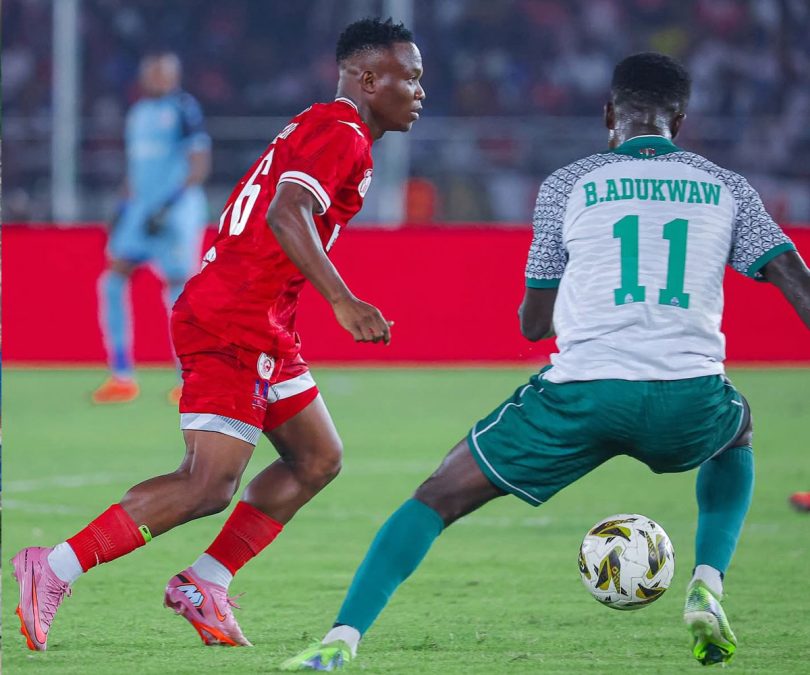
“In Tanzania you can field 11 professional players and they don’t have to be from your country. In Kenya you can register several foreigners but only three can be on the field at one time.”
This flexibility has allowed Tanzanian clubs to attract more international talent.
“They are putting money into the game, bringing in many foreign players, and that is making their football more competitive.”
However, he warned that such a system can have long-term consequences for national teams.
“The downside is that the clubs develop but the national team can suffer because local players get fewer opportunities.”
Kenya Focuses on Local Talent – But Competition Suffers
In contrast, Otieno noted that Kenyan clubs give more opportunities to local players, which benefits national team development but reduces the league’s competitive level.

“In Kenya we give more chances to local players, but the competition level itself does not allow us to go beyond Eastern and Central Africa.”
He suggested that Kenya may need to balance local development with international experience to raise the league’s standard.
Lack of Continuity Is Kenya’s Biggest Problem
Perhaps the most critical issue, according to Otieno, is the lack of continuity in football administration.
Frequent changes in leadership and sponsorship deals force Kenyan football to repeatedly start from scratch.
“We are making progress, but our progress is always stifled because every time we have to start afresh.”
He explained that each new federation administration often brings new policies and partners.
“We had a sponsor, then we got rid of him. Another sponsor comes in and we start again. We have too many starts.”
This constant resetting means long-term projects rarely reach maturity.
“It means we can only build for about four years. After that, everything changes again and we start afresh.”
A Possible Solution: More Foreign-Based Players
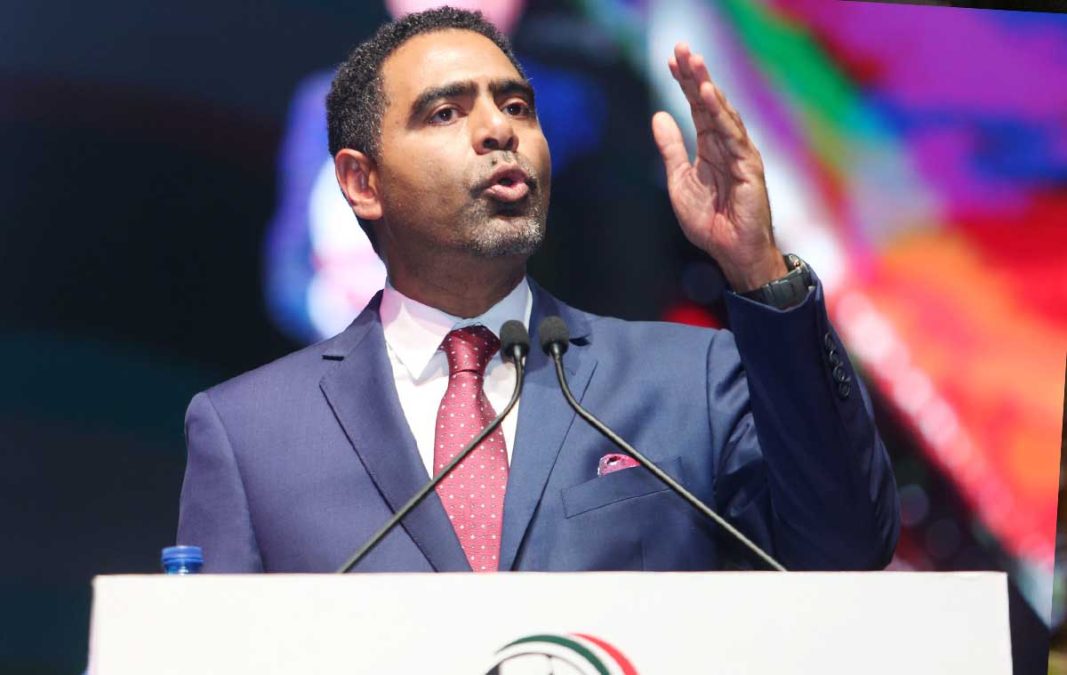
Otieno believes Kenya could improve by tapping into players based abroad, similar to successful African football nations.
Countries like Nigeria and Ghana rely heavily on players competing in foreign leagues.
“Look at countries like Nigeria and Ghana – 90 percent of their national teams are foreign-based players with one or two local players.”
He suggested that sourcing more players from competitive international leagues could raise Kenya’s overall football level.
The Road Ahead
Despite the challenges, Otieno remains optimistic that Kenyan football can improve if investment, stability, and long-term planning are prioritised.
Without those elements, he warned, the country risks remaining stuck at the regional level while neighbours continue to progress.
