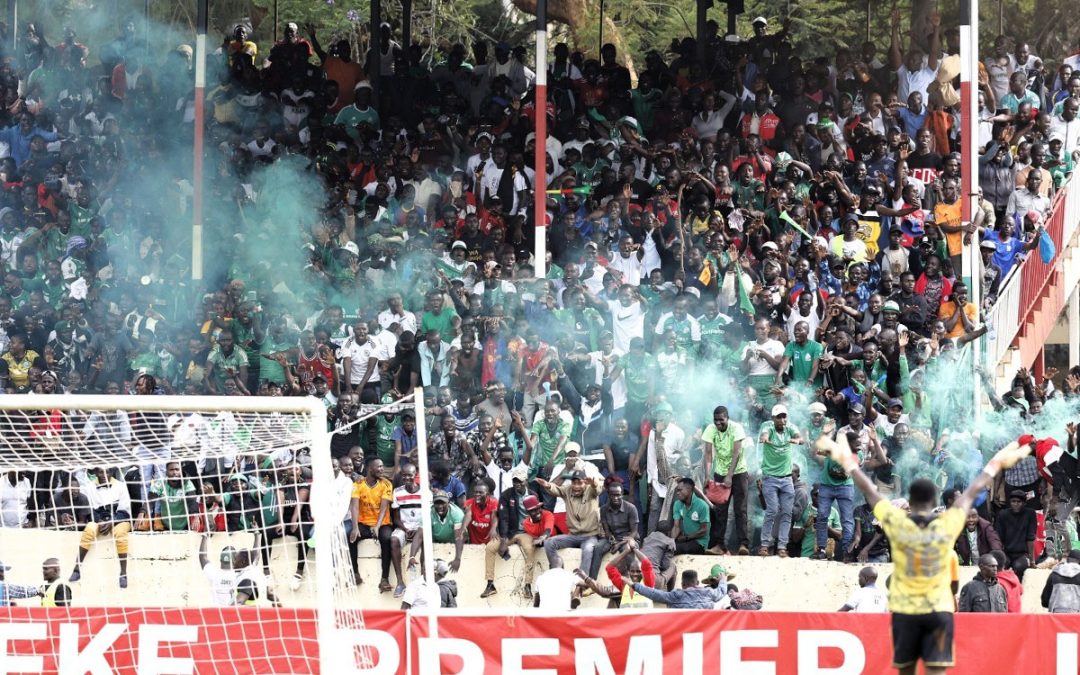

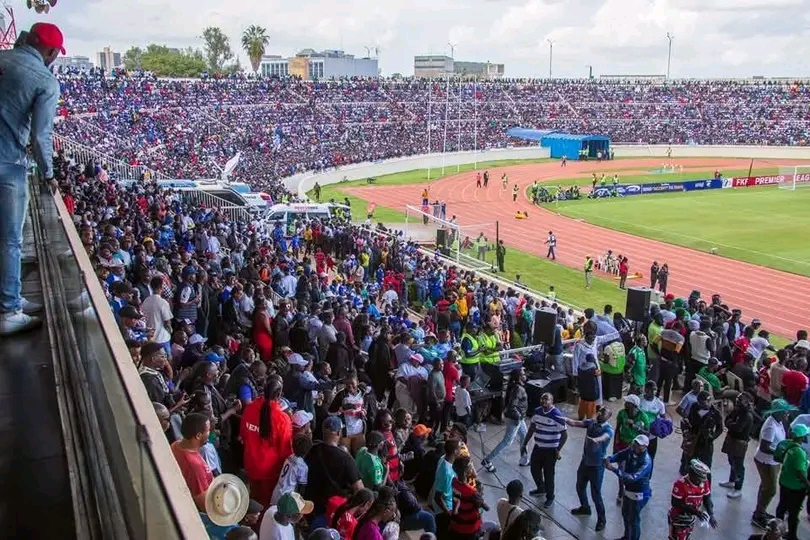
Gor Mahia have generated a total of KES 14,092,400 in gross gate collections from their first 10 home league matches of the season, underlining both the club’s enduring pulling power and the heavy dependence of matchday revenue on high-profile fixtures.
The bulk of the income came from the Mashemeji Derby against AFC Leopards, which alone raised KES 7,011,500, almost half of Gor Mahia’s total home gate revenue so far this season. The figure starkly illustrates the commercial weight of derby fixtures in the Kenyan Premier League, where rivalry, tradition, and national attention translate directly into packed terraces and higher returns.
Outside the derby, Gor Mahia earned approximately KES 7.08 million from the remaining nine home matches, an average of under KES 800,000 per game. Matches against sides such as APS Bomet (KES 360,400), Kakamega Homeboyz (KES 320,200), and Murang’a Seal (KES 385,300) recorded modest returns, reflecting the challenges clubs face in attracting large crowds for low-profile fixtures.
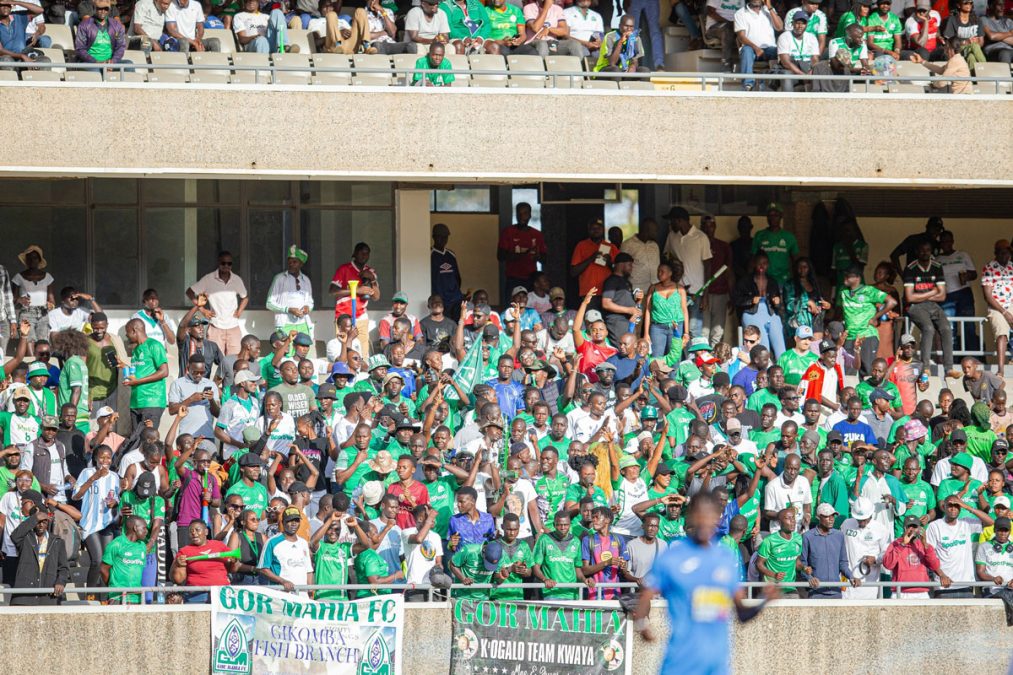
Relatively stronger turnouts were recorded against Ulinzi United (KES 1,323,800), Mara Sugar (KES 1,001,300), and Sofapaka (KES 973,600), suggesting that competitive intrigue and fan mobilisation still play a role beyond traditional rivalries.
Overall, Gor Mahia’s average gross gate collection stands at approximately KES 1.41 million per home match, a figure significantly inflated by the derby windfall. The imbalance highlights a broader structural issue within the league: while marquee matches can deliver strong revenues, regular fixtures struggle to provide consistent financial returns.
For Gor Mahia,and Kenyan clubs more broadly,the figures reinforce the need to diversify matchday income, improve fan experience, and develop pricing and marketing strategies that can boost attendance beyond headline fixtures. As clubs continue to rely heavily on gate collections, sustaining financial stability may depend on turning ordinary league matches into events fans feel compelled to attend, not just derbies that sell themselves.