


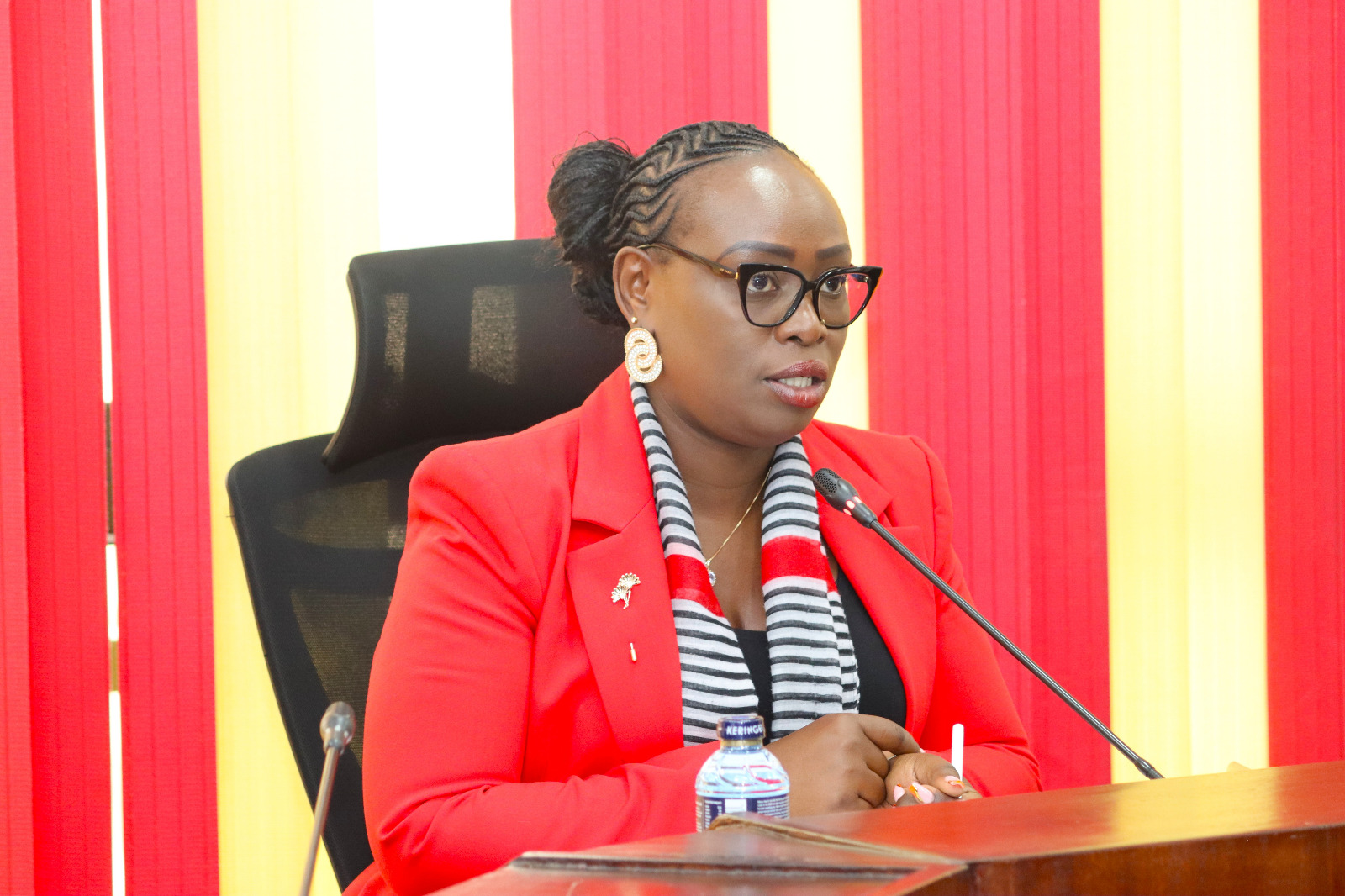
Nominated MP Irene Nyakerario Mayaka has introduced a new legislative proposal aimed at safeguarding the integrity of sports competitions in the country. The Sports (Amendment) Bill, National Assembly Bill No. 5 of 2026, was formally tabled in the National Assembly of Kenya and has already undergone its First Reading.
The Bill seeks to amend the Sports Act to prohibit and criminalize match fixing and manipulation of sports competitions, a move widely seen as a major step toward protecting fair play in Kenyan sports.
A Major Step in Protecting Sports Integrity
Match manipulation has been a growing concern globally and locally, especially in football competitions. The proposed amendment aims to create clear criminal penalties for individuals involved in manipulating results of sporting events.
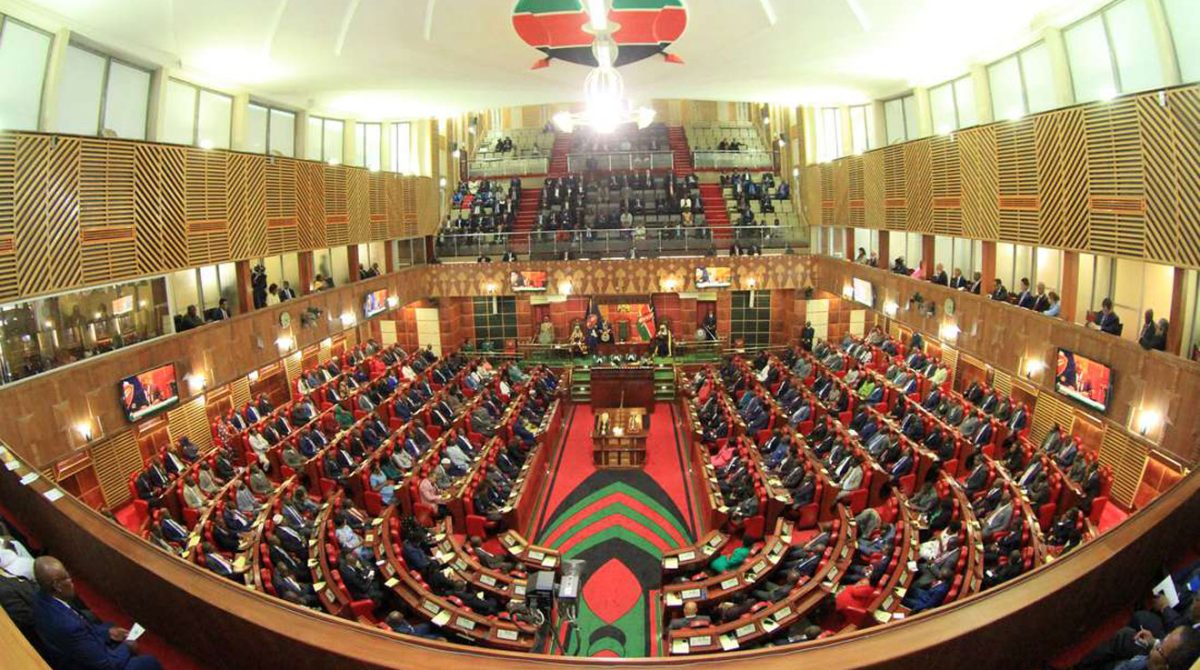
If enacted, the law will target athletes, referees, coaches, officials, betting syndicates, or any individual who participates in activities that influence the outcome of a sporting event unfairly.
Key forms of manipulation addressed in the Bill include:
- Fixing match results for betting or financial gain
- Deliberate underperformance by players or teams
- Offering or receiving bribes to influence outcomes
- Using insider information to manipulate betting markets
Conspiring with third parties to alter competition results
The proposed legislation seeks to ensure that sporting results are determined on the field of play rather than through corruption or illegal influence.
Tough Penalties Proposed
The Bill proposes strict consequences for those found guilty of manipulating sports competitions.
Possible penalties include:
- Fines of up to KSh1 million
- Imprisonment for up to one year
- Disqualification from sports competitions
- Lifetime bans from regulated sports activities
- Confiscation of money or benefits gained through manipulation
Sports teams found complicit could also face forfeiture of matches or removal from competitions.
Why the Bill Matters for Kenyan Football
Kenyan football has, in recent years, faced repeated allegations and investigations related to match fixing and betting-related manipulation. Several players and clubs have been linked to suspected manipulation of results, raising concerns about the credibility of domestic competitions.
Cases handled by global football bodies have previously highlighted the seriousness of the issue. For instance, sanctions imposed by FIFA against Kenyan clubs over match manipulation have demonstrated the need for stronger legal frameworks at the national level.
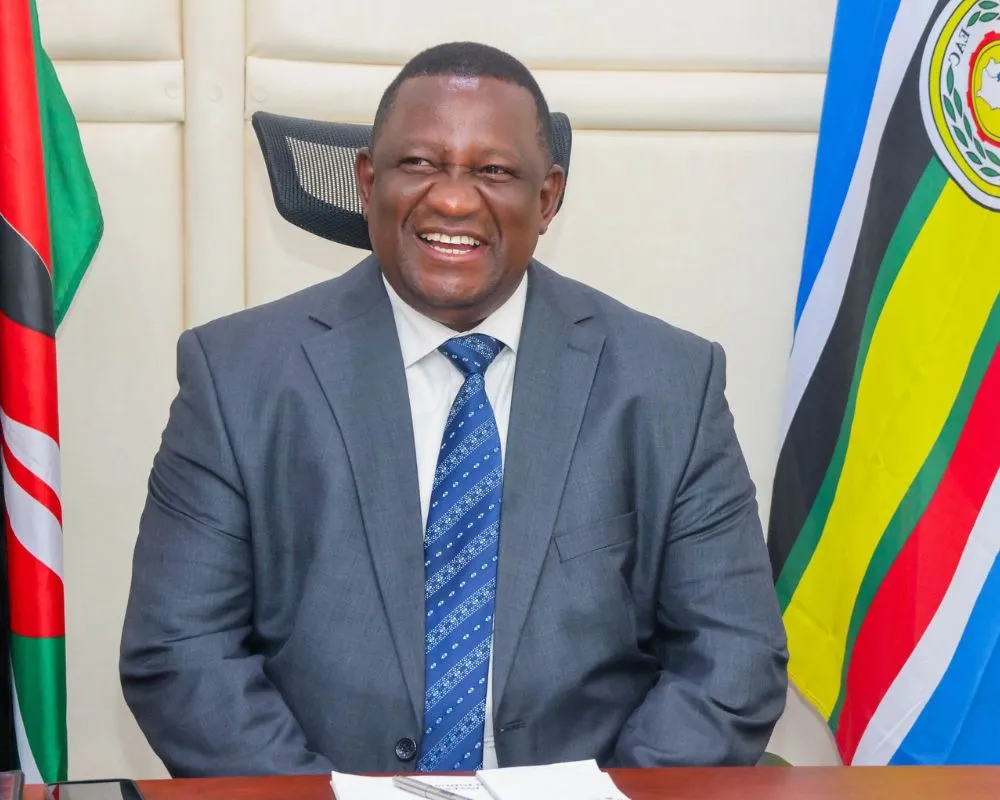
The proposed amendment aims to complement disciplinary actions taken by sports federations such as the Football Kenya Federation by introducing criminal accountability through national law.
Public Participation Now Begins
Following the First Reading in Parliament, the Bill will now move to the public participation stage. During this phase, stakeholders across the sports ecosystem, including athletes, clubs, fans, administrators, and integrity experts, will have an opportunity to submit their views.
Submissions will be reviewed by the Departmental Committee on Sports and Culture, which will prepare a report before the Bill proceeds to the Second Reading in Parliament.
Public feedback will play a key role in shaping the final provisions of the legislation before it can be debated and potentially passed into law.
A Turning Point for Sports Governance
If approved, the amendment could become one of the most significant reforms in Kenya’s sports governance landscape. By introducing criminal sanctions for match manipulation, lawmakers hope to deter corruption and restore confidence in sports competitions.
For Kenyan football fans and clubs, including giants like Gor Mahia FC, the proposed law could help protect the integrity of domestic competitions and ensure that victories and defeats are decided fairly on the pitch.
As the Bill moves through Parliament, the coming weeks of public participation will determine how strongly Kenya positions itself in the global fight against match fixing.
