


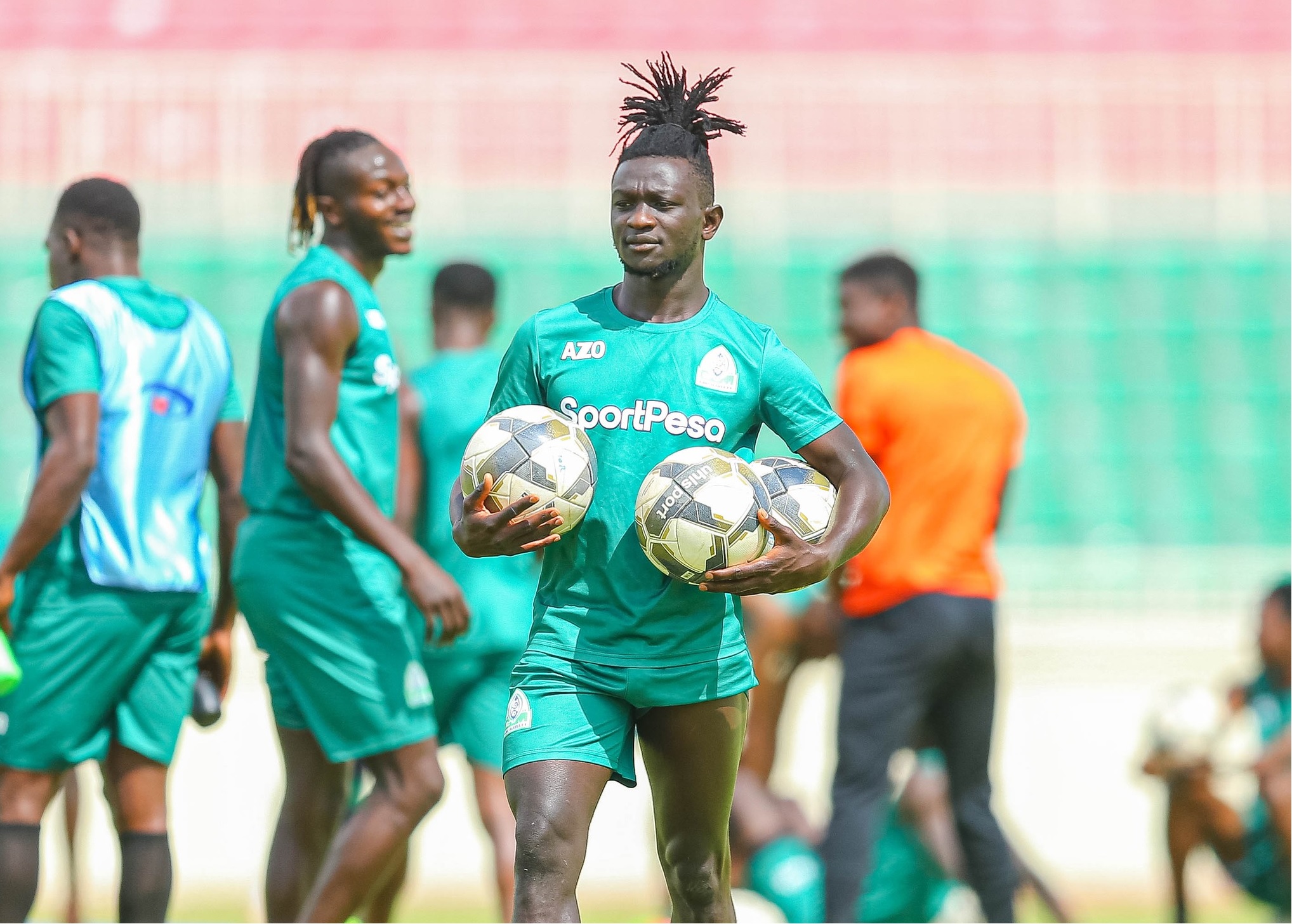
As the 2025/26 Kenya Premier League season gathers pace, one storyline stands taller than the title race itself: community clubs are no longer just surviving, they are competing, and in some cases, leading the way.
The current top five paints a powerful picture. Gor Mahia (46 pts) and AFC Leopards sit where many expected them to be, near the summit. But the real statement is being made by Shabana, Kakamega Homeboyz, and Murang’a SEAL, clubs whose greatest asset is not corporate muscle, but community identity.
Football With a Pulse, Not Just a Payroll
For years, the assumption in Kenyan football has been simple: corporate-backed teams should dominate because they pay on time, have stable structures, and avoid off-field chaos. Yet this season is quietly dismantling that belief.

Community clubs are playing with something money cannot buy, emotional ownership. When Shabana win, Kisii erupts. When Homeboyz play at Bukhungu, the stands become the twelfth man. Murang’a SEAL’s rise is powered by belief from a town that sees the club as its own reflection.
That connection translates into grit on the pitch, players run harder, fight longer, and treat every match as personal.
Corporate Stability, Football Sterility?
On the other side are corporate or institution-backed teams. Stable? Yes. Organized? Mostly. But often emotionally distant. Football cannot thrive on salaries alone. Without a strong identity and organic fan culture, teams risk becoming functional but forgettable.
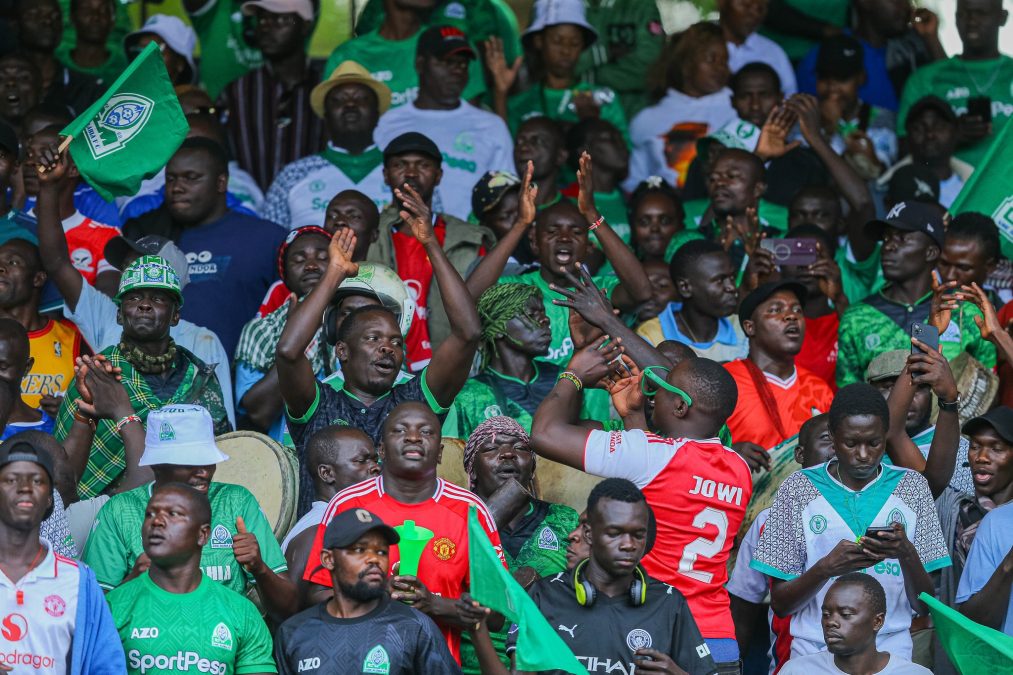
This season has exposed that gap. While some corporate-backed sides hover in mid-table comfort, community clubs are chasing ambition, and points.
Even the Giants Are Community at Heart
Interestingly, the league leaders themselves prove the argument. Gor Mahia and AFC Leopards may attract sponsors, but their real power remains the terraces. Their history, culture, and emotional bond with fans keep them relevant year after year. Strip that away, and they are just another club.
A Warning, and an Opportunity for Kenyan Football
The 2025/26 season is sending a clear message to administrators, investors, and policymakers:
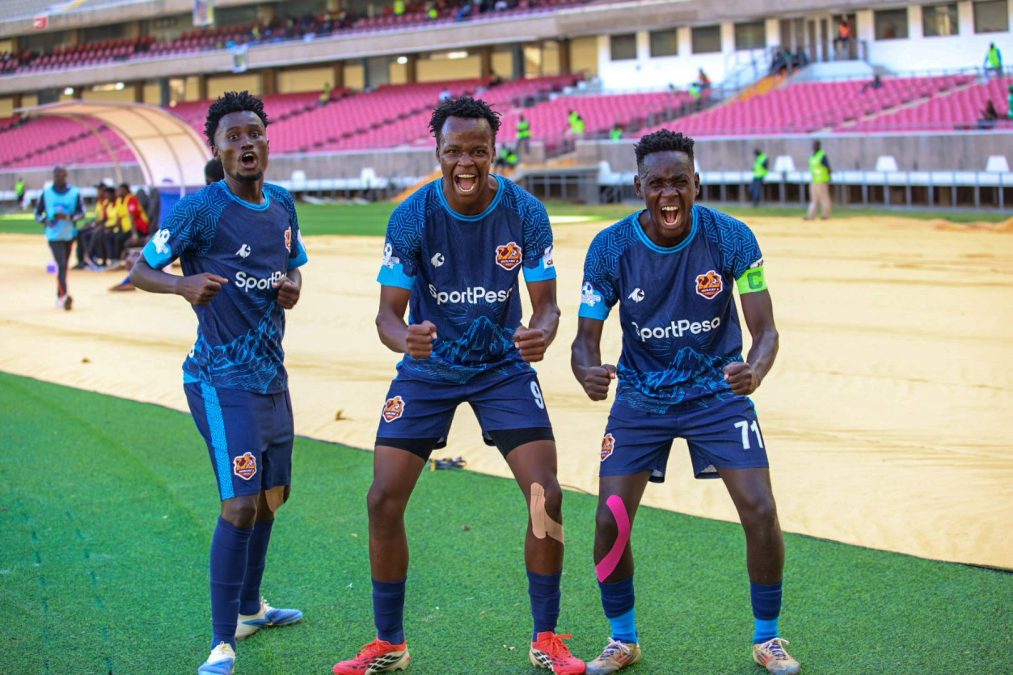
Football grows from the people up, not the balance sheet down.
If properly supported, community clubs could be the future backbone of the league — filling stadiums, nurturing local talent, and restoring pride in domestic football. Corporate backing still matters, but only when it respects and strengthens identity, not replaces it.
Final Word
This season is not just about who lifts the trophy. It’s about who represents the true heartbeat of Kenyan football. And right now, the pulse is loudest in community grounds, from Kisii to Kakamega to Murang’a.
The league table may change. The message won’t.
