

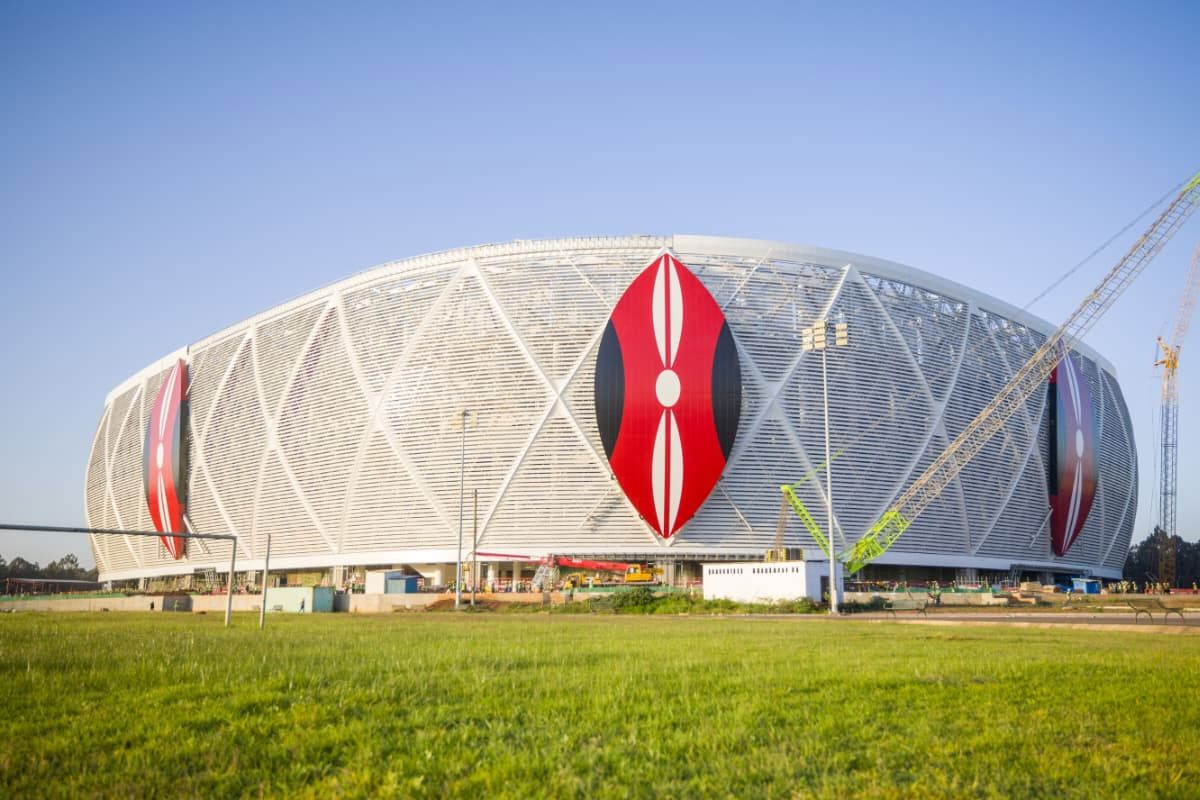
Comments attributed to Ivory Coast Journalist Mamadou Gaye during a CAF press conference have raised concerns about East Africa’s readiness to host the 2027 Africa Cup of Nations (AFCON). However, a closer examination of his remarks shows that several of the claims are either unsubstantiated or misleading.
Speaking in the presence of CAF President Patrice Motsepe, Gaye suggested that poor road infrastructure in East Africa would make travel difficult for teams and fans, claiming that moving between host countries could take up to two days by road.
Notably, he prefaced the statement by saying he had been told this by unnamed colleagues, rather than citing personal experience or verifiable data.

This distinction is important. The claim is second-hand, lacks sourcing, and contradicts readily available evidence about regional connectivity in East Africa.
Regional Connectivity and Transport Infrastructure
East Africa is one of the most interconnected regions on the continent. Kenya, Uganda, and Tanzania are linked by established highway corridors, including:
- The Northern Corridor connecting Mombasa–Nairobi–Kampala
- The Central Corridor linking Dar es Salaam to Uganda and Rwanda
These routes are actively used for trade, tourism, and cross-border travel. While infrastructure challenges exist, as they do in many parts of Africa, the assertion that there are “no roads within the country” is demonstrably false.
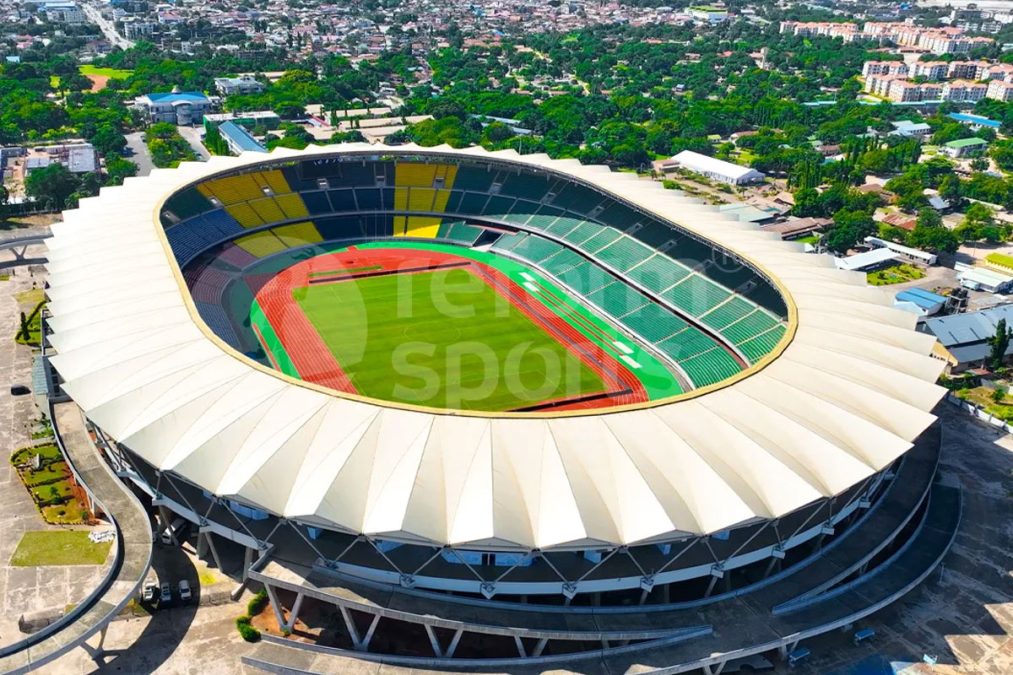
In addition to road networks, the region has strong air transport infrastructure. Nairobi’s Jomo Kenyatta International Airport, Entebbe International Airport, and Julius Nyerere International Airport serve as major aviation hubs, handling millions of passengers annually and offering extensive continental and intercontinental connections.
Hosting Track Record
Crucially, Kenya, Uganda, and Tanzania recently co-hosted the African Nations Championship (CHAN), an event organized under CAF regulations and attended by multiple national teams, officials, and supporters. CAF leadership publicly commended the organisation and delivery of the tournament, underscoring the region’s capacity to host major football events.
AFCON 2027 is also a co-hosting project, a model CAF itself approved to encourage regional integration and shared investment in infrastructure rather than relying on a small number of traditional host nations.
On “Lowering Standards”

Gaye further questioned whether awarding AFCON to East Africa risks “lowering standards,” citing previous cases where tournaments were relocated due to lack of preparedness. While CAF has, in the past, moved competitions when hosts were not ready, there is currently no indication from CAF that the 2027 hosts face such a risk.
CAF continues to work with the three host nations on infrastructure upgrades, stadium development, and logistics standard practice for every AFCON host, including Morocco and previous host countries.

Conclusion
Critical scrutiny of CAF decisions is a legitimate and healthy practice. However, commentary on continental tournaments should be grounded in verified facts rather than hearsay. East Africa’s transport networks, hospitality industry, and recent hosting record do not support the claim that the region lacks the infrastructure to stage AFCON 2027.
As Africa’s football calendar evolves, expanding major tournaments to different regions is not a lowering of standards, but part of CAF’s broader vision for inclusive development across the continent.